Earthwork is one of the most critical phases in any construction project, yet it is often underestimated. Every road, building, bridge, or infrastructure system begins with proper earthwork. If this stage is executed poorly, the entire structure is at risk, no matter how strong the design or materials are.
Understanding what is earthwork in construction is essential for contractors, engineers, and project managers because it directly impacts stability, drainage, load distribution, and long-term performance.
This guide breaks down everything in a practical, field-oriented way so you can understand how earthwork actually works on real construction sites.
Short Answer: What Is Earthwork in Construction?
Earthwork in construction refers to the process of excavating, moving, shaping, filling, and compacting soil or rock to prepare land for construction activities.
Its core purpose includes:
- Excavation of unwanted soil or rock
- Transportation and placement of material
- Site leveling and grading
- Foundation and structural support preparation
Earthwork is commonly used in:
- Road construction
- Building foundations
- Landscaping projects
- Infrastructure development like dams and railways
What Is Earthwork in Construction and Why Is It Important?
What Is Earthwork in Construction in Simple Terms?
In simple terms, earthwork is the process of shaping land to make it suitable for construction. Before any structure is built, the ground must be made stable, level, and properly compacted.
For example, before constructing a commercial building, the site must be leveled, weak soil removed, and strong compacted layers prepared to support the foundation.
It is important to distinguish:
- Earthwork: Full process of soil movement and site shaping
- Excavation: Only the removal of soil or rock
Companies like Dirt Road Repairs emphasize engineered earthwork practices to ensure proper load-bearing capacity and long-term structural durability.
Key Objectives of Earthwork Operations
Earthwork is not just digging—it is precision engineering for ground stability:
Site Preparation and Leveling
Creates a uniform working platform for construction activities.
Load-Bearing Ground Formation
Ensures soil can safely carry structural loads without settlement.
Drainage Control and Slope Management
Prevents water accumulation that weakens soil strength.
Soil Stabilization and Compaction
Improves density and eliminates voids for long-term stability.
When Is Earthwork Required in Construction Projects?
Earthwork is required at multiple stages, including:
- Pre-construction site development
- Road and highway construction
- Foundation and basement preparation
- Drainage correction and land reshaping
It is the first physical step that transforms raw land into a buildable surface.
Types of Earthwork in Construction
Excavation Work
This involves removing soil or rock to achieve required depth.
- Trenching for utilities
- Basement excavation
- Foundation pits
Filling and Backfilling
This is the process of replacing or adding soil after excavation.
- Supports foundation walls
- Prevents voids and settlement
Cutting and Grading
Cutting high ground and leveling uneven terrain.
- Creates proper slopes
- Ensures water runoff control
Compaction Work
Increasing soil density using mechanical force.
- Reduces air voids
- Improves load-bearing capacity
Embankment Construction
Raising ground levels for infrastructure projects.
- Roads
- Railways
- Bridges
Materials Involved in Earthwork Operations
Earthwork uses a variety of materials depending on soil conditions and structural needs:
- Clay, sand, and silt soils
- Rock and aggregates
- Engineered fill materials
- Stabilizers like lime or cement
Each material is selected based on strength, drainage, and compaction behavior.
How Earthwork in Construction Is Performed
Step 1: Site Survey and Planning
- Conduct topographic mapping
- Perform soil testing for classification
- Identify cut-and-fill requirements
Step 2: Clearing and Grubbing
- Remove vegetation, debris, and topsoil
- Prepare clean working surface for machinery
Step 3: Excavation and Cutting
- Remove excess soil or rock
- Achieve design depth and slope requirements
- Ensure stability during excavation
Step 4: Filling and Compaction
- Place fill material in controlled layers
- Compact each layer using rollers or compactors
- Maintain uniform density across the site
Step 5: Final Grading and Drainage Setup
- Level the surface accurately
- Create slope for water drainage
- Prepare site for foundation or paving
Equipment and Machinery Used in Earthwork
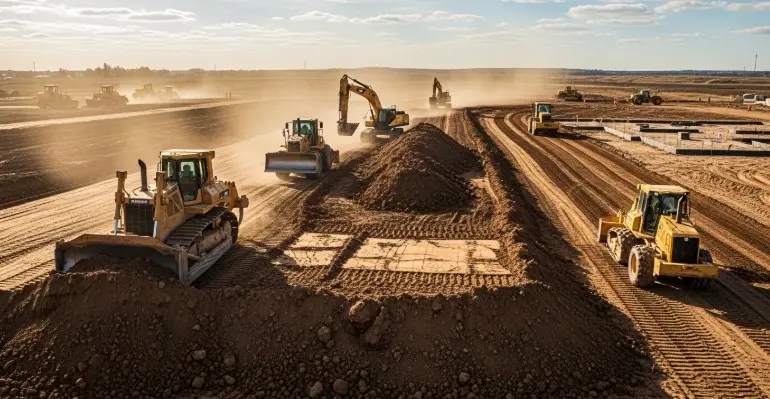
Earthwork relies heavily on heavy machinery for precision and efficiency:
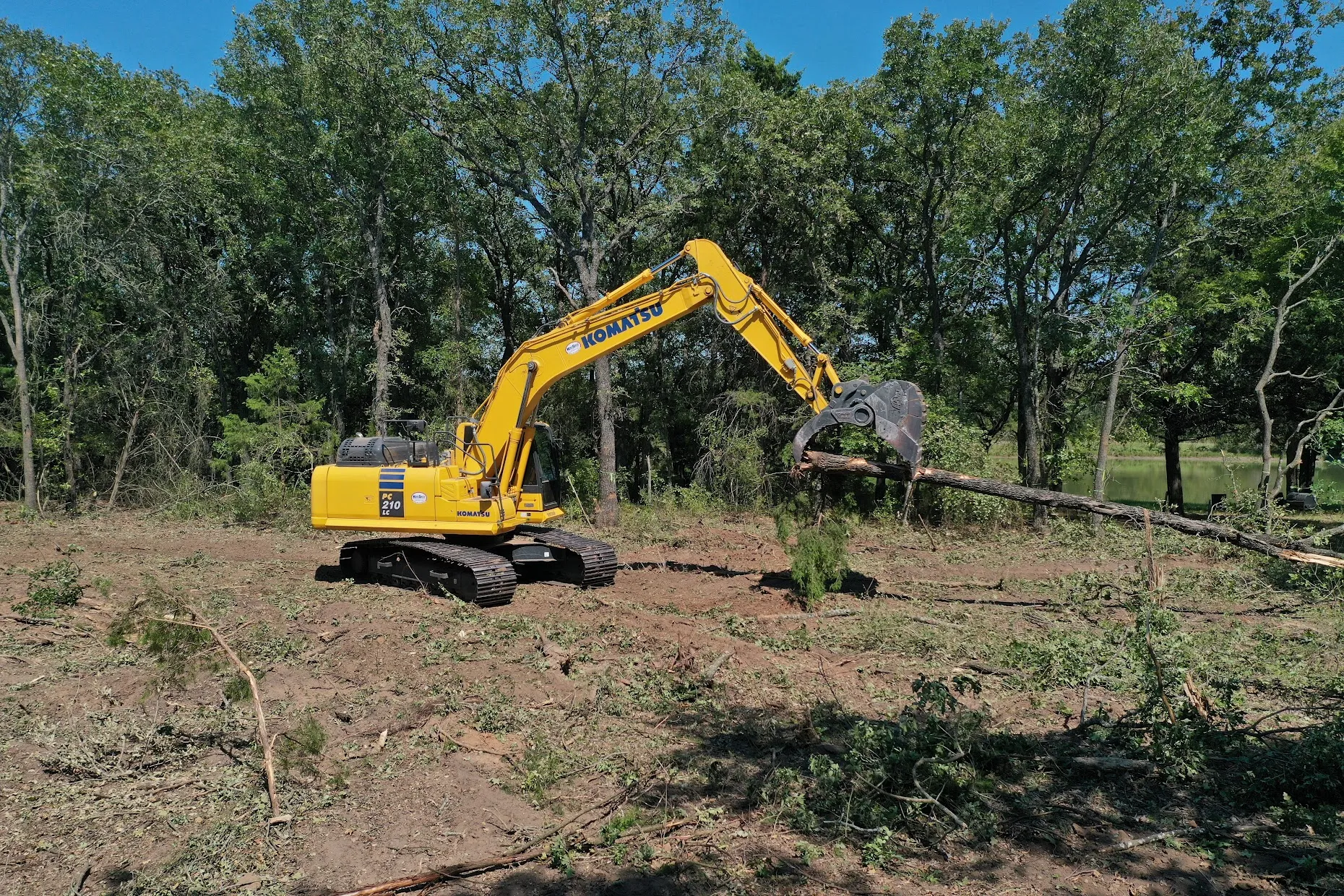
- Excavators for digging and loading
- Bulldozers for pushing and leveling soil
- Graders for precision surface leveling
- Dump trucks for material transport
- Compactors and rollers for soil densification
Safety Standards and Best Practices in Earthwork
Earthwork requires strict control and monitoring to avoid structural failure:
- Ensure slope stability during excavation
- Operate machinery with trained personnel
- Control dust and erosion using water sprays
- Inspect soil conditions regularly
- Maintain safe distance between workers and equipment
Earthwork Methods in Construction
| Method | Purpose | Equipment Used | Cost Level | Efficiency | Application |
|---|---|---|---|---|---|
| Excavation | Soil removal | Excavators | Medium | High | Foundations |
| Grading | Leveling land | Graders | Medium | High | Site prep |
| Compaction | Soil densification | Rollers | Low-Medium | High | Base layers |
| Embankment | Raising ground | Bulldozers | High | Medium | Roads |
| Backfilling | Refilling areas | Loaders | Low | Medium | Trenches |
Common Challenges in Earthwork Projects
Unstable Soil Conditions
Weak or loose soil can lead to settlement and instability.
Poor Drainage and Water Accumulation
Waterlogged soil reduces strength and increases failure risk.
Equipment Limitations and Delays
Machine breakdowns can slow down large-scale projects.
Environmental and Weather Impacts
Rain or extreme conditions can halt earthwork operations.
Cost Factors in Earthwork Construction
Earthwork cost depends on several key variables:
- Total volume of soil movement
- Type of material (soil vs rock)
- Machinery and fuel usage
- Labor intensity and skill level
- Site accessibility and terrain difficulty
Proper planning can significantly reduce unnecessary costs and delays.
Sub-Questions People Also Ask About Earthwork
What is the difference between earthwork and excavation?
Earthwork includes excavation, filling, grading, and compaction, while excavation only involves soil removal.
How is earthwork measured in construction?
It is measured in cubic meters or cubic yards based on cut-and-fill calculations.
What equipment is used for earthwork?
Excavators, bulldozers, graders, rollers, and dump trucks are commonly used.
Why is compaction important in earthwork?
Compaction increases soil density, preventing settlement and improving strength.
Best Practices for Efficient Earthwork in Construction
- Perform detailed site analysis before work begins
- Use appropriate machinery for each operation
- Maintain proper soil moisture during compaction
- Follow engineered grading and slope designs
- Implement erosion control measures on open sites
FAQs About What Is Earthwork in Construction
What is earthwork in construction used for?
It is used to prepare land for safe and stable construction.
What are the main types of earthwork?
Excavation, grading, compaction, embankment, and backfilling.
How do you calculate earthwork volume?
By comparing cut and fill quantities using survey data.
What is the purpose of grading in earthwork?
To level land and ensure proper drainage flow.
What are common earthwork equipment types?
Excavators, bulldozers, graders, rollers, and trucks.
How long does earthwork take in a project?
It depends on site size, soil type, and project complexity.
What are the risks of poor earthwork execution?
Settlement, structural failure, drainage issues, and costly repairs.
Can earthwork be done without heavy machinery?
Yes, but only for very small-scale or manual projects.
Conclusion: Why Earthwork in Construction Is the Foundation of Every Project
Earthwork is the backbone of every construction project. It defines how stable, durable, and efficient the final structure will be. From excavation to compaction, every step must be carefully engineered and executed.
Proper planning, accurate soil handling, and precise grading ensure long-term structural success. Poor earthwork, on the other hand, can compromise even the strongest designs.
Final takeaway:
Treat earthwork as a precision engineering phase, not just site preparation. When executed correctly, with proper equipment, skilled operators, and structured planning—it becomes the foundation of safe and long-lasting construction.