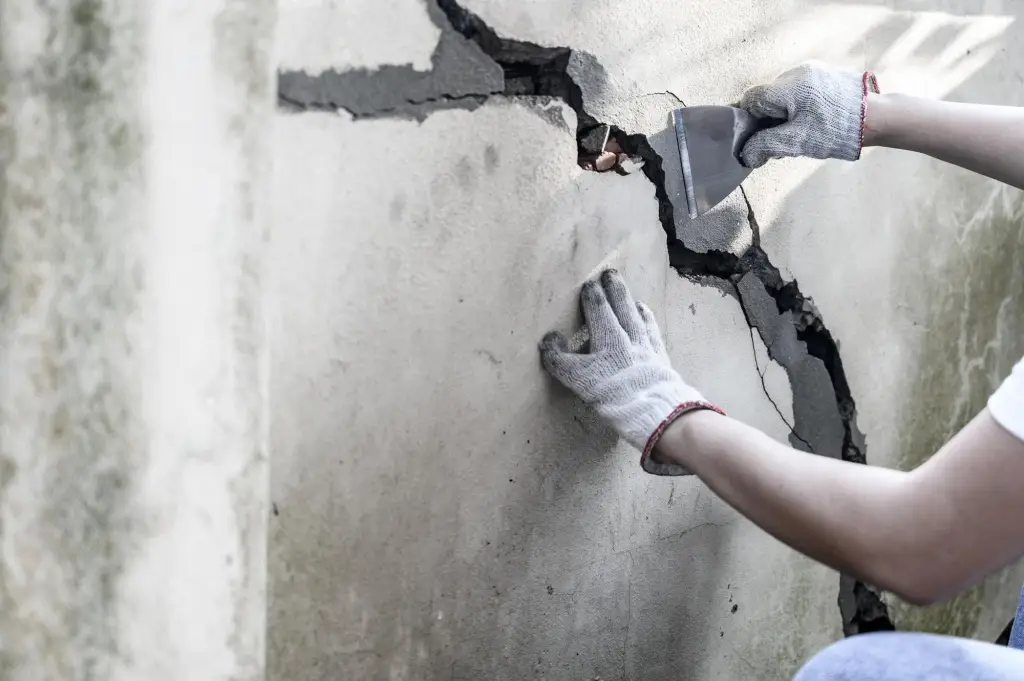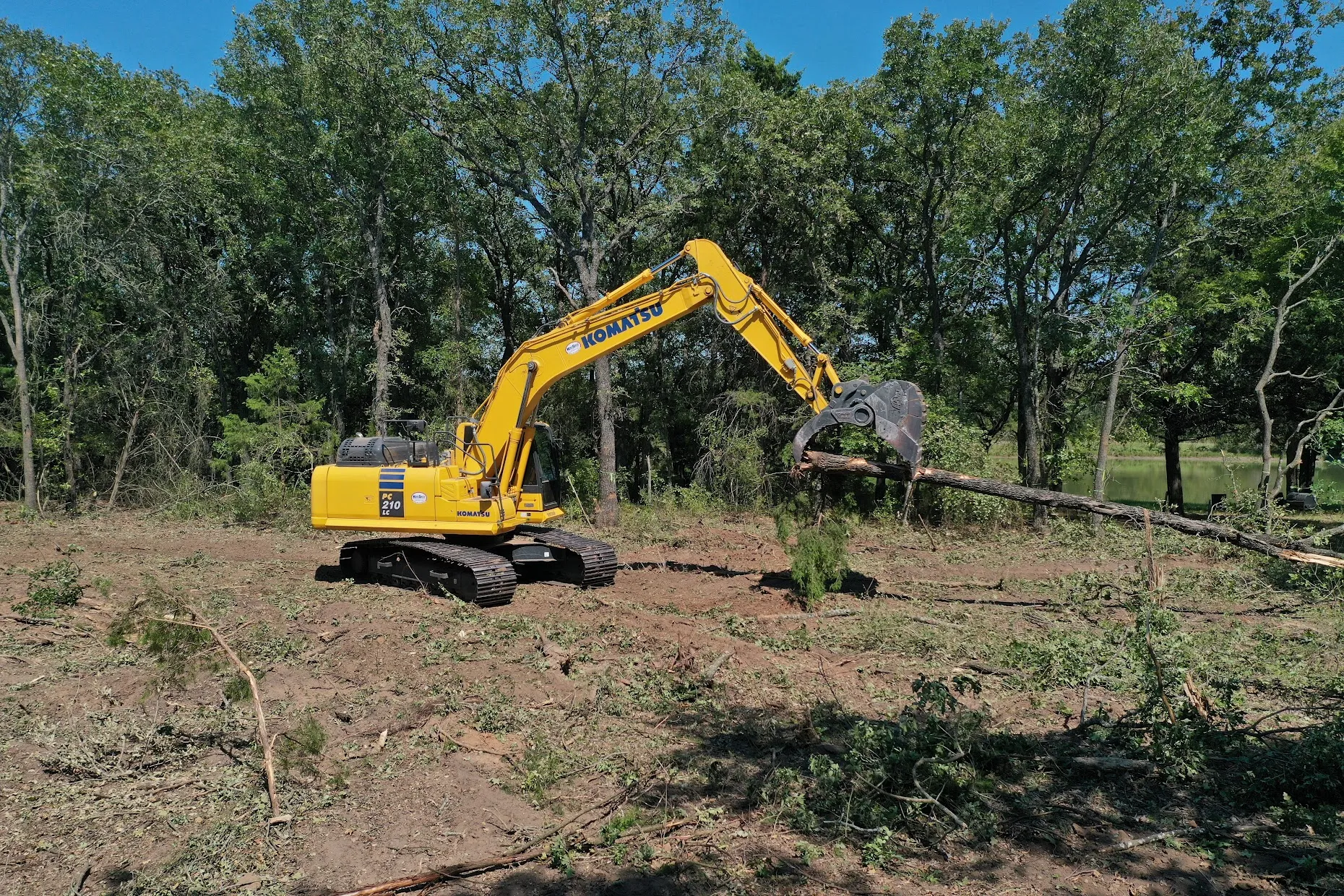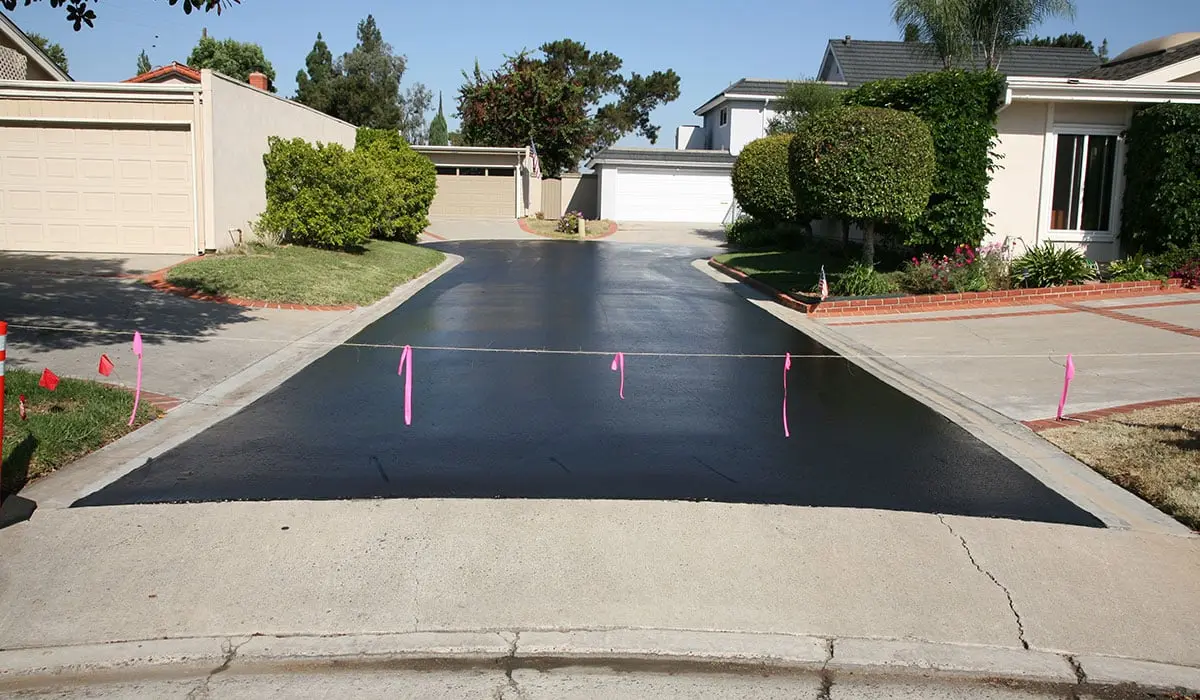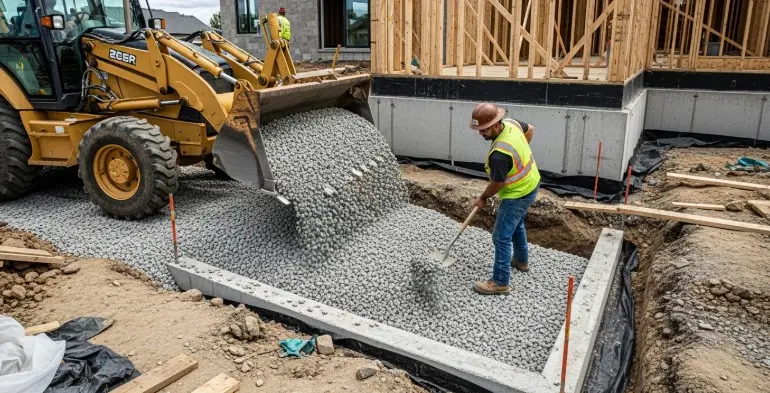
Backfilling is one of those construction processes that seems simple on the surface, but in reality, it directly determines the long-term stability of a structure. Poor backfilling can lead to foundation settlement, drainage failures, and costly structural damage years after project completion.
Whether you’re building a residential foundation, installing underground utilities, or preparing a roadway base, understanding what is backfilling in construction is critical to ensuring durability, safety, and performance.
Short Answer: What Is Backfilling in Construction?
Backfilling in construction is the process of refilling excavated areas with suitable material after structural work such as foundations, trenches, or retaining walls is completed.
Its primary purpose is to:
- Provide structural support
- Improve soil stability
- Ensure proper drainage
- Protect underground systems
Backfilling is commonly used in:
- Foundation construction
- Utility trenching
- Road and pavement systems
- Retaining wall support
What Is Backfilling in Construction and Why Is It Important?
What Is Backfilling in Construction in Simple Terms?
In simple terms, backfilling means putting soil or other materials back into a hole after construction work is done.
For example, after pouring a concrete foundation, the empty space around it must be filled. This process is not just about filling the gap, it involves careful material selection, layering, and compaction to ensure the structure remains stable over time.
It’s important to distinguish:
- Filling: General placement of material anywhere
- Backfilling: Controlled placement after excavation work
Companies like Dirt Road Repairs emphasize engineered backfilling techniques to prevent settlement and drainage issues in real-world projects.
Key Objectives of Backfilling
Backfilling serves several critical engineering purposes:
Structural Support for Foundations
Proper backfill distributes loads evenly, reducing stress on foundation walls.
Soil Compaction and Settlement Prevention
Layered compaction eliminates air voids that can cause future sinking.
Drainage Improvement
Granular materials help direct water away from structures, preventing hydrostatic pressure.
Protection of Underground Utilities
Pipes, cables, and drainage systems are safeguarded against movement and damage.
When Is Backfilling Required in Construction Projects?
Backfilling is typically performed:
- After foundation curing is complete
- After installation of pipelines or underground utilities
- During road base and subgrade preparation
Timing is crucial, starting too early can damage structures, while delays can expose excavations to weather-related risks.
Types of Backfilling in Construction
Soil Backfilling
- Uses excavated native soil
- Best for: Low-load applications
- Limitations: Poor drainage and variable compaction
Sand Backfilling
- Provides excellent drainage
- Easy to compact uniformly
- Ideal for: Pipe bedding and moisture-sensitive areas
Gravel and Stone Backfilling
- High strength and permeability
- Prevents water accumulation
- Best for: Foundations and retaining structures
Controlled Low Strength Material (CLSM) Backfilling
- Also known as flowable fill
- Self-leveling and self-compacting
- Used for: Utility trenches and void filling
Cement-Stabilized Backfill
- Soil mixed with cement for increased strength
- Best for: Heavy-load areas like industrial slabs and roadways
Materials Used in Backfilling Operations
Material selection is a technical decision based on load, drainage, and soil behavior:
- Excavated soil (if suitable)
- Sand and aggregates
- Crushed stone
- Industrial by-products like fly ash and slag
- Flowable fill mixtures
Choosing the wrong material can compromise the entire structure.
How Backfilling in Construction Is Done
Step 1: Site Preparation and Inspection
- Ensure concrete or structural elements are fully cured
- Remove standing water, debris, and loose soil
Step 2: Selecting Suitable Backfill Material
- Evaluate soil type and moisture content
- Consider load-bearing requirements and drainage needs
Step 3: Layered Backfilling Process
- Place material in controlled layers (typically 6–12 inches thick)
- Avoid dumping large volumes at once
- Maintain uniform distribution
Step 4: Compaction and Density Testing
- Use compactors or rollers for each layer
- Achieve specified density levels to prevent settlement
- Conduct field tests for verification
Step 5: Final Grading and Finishing
- Shape the surface for proper drainage
- Ensure slope directs water away from structures
Equipment and Tools Used for Backfilling
Efficient backfilling relies on specialized machinery:
- Excavators for material placement
- Bulldozers for spreading
- Plate compactors for small areas
- Vibratory rollers for large surfaces
- Water trucks for moisture control
Safety Standards and Best Practices in Backfilling
Backfilling must be executed carefully to avoid structural stress and hazards:
- Avoid excessive lateral pressure on foundation walls
- Maintain optimal moisture levels for compaction
- Use appropriate compaction equipment
- Ensure workers are clear during machine operation
- Follow engineered design specifications at all times
Backfilling Materials in Construction
| Material | Best Use | Drainage | Compaction | Cost | Strength |
|---|---|---|---|---|---|
| Native Soil | General filling | Low | Moderate | Low | Moderate |
| Sand | Drainage areas | High | Good | Medium | Moderate |
| Gravel/Stone | Foundations | Very High | Excellent | High | High |
| CLSM | Utility trenches | Moderate | Self-compacting | Medium-High | High |
| Cement-Stabilized | Heavy loads | Moderate | Excellent | High | Very High |
Common Mistakes in Backfilling and How to Avoid Them
Poor Compaction Leading to Settlement
Insufficient compaction creates voids that lead to sinking and structural instability.
Using Unsuitable Materials
Expansive or organic soils can cause movement and failure.
Ignoring Drainage Requirements
Poor drainage increases water pressure and weakens soil strength.
Overloading Structures Too Early
Applying loads before proper compaction can damage foundations.
Cost Factors of Backfilling in Construction Projects
Backfilling costs vary based on:
- Type of material selected
- Transportation distance
- Equipment and labor requirements
- Compaction specifications
- Project size and excavation depth
Investing in proper backfilling reduces long-term repair costs significantly.
Sub-Questions People Also Ask About Backfilling
What is the difference between backfilling and compaction?
Backfilling is placing material, while compaction is densifying it to improve strength.
How long after foundation can you start backfilling?
Typically after sufficient curing, usually several days depending on conditions.
Which material is best for backfilling around foundations?
Gravel or crushed stone is preferred due to drainage and stability.
What happens if backfilling is not done properly?
It can lead to settlement, cracks, drainage failure, and structural damage.
Best Practices for Effective Backfilling in Construction
- Always follow engineered specifications
- Maintain proper moisture content for compaction
- Use layer-by-layer placement
- Perform density testing regularly
- Design proper drainage systems
Consistent execution of these practices ensures long-term performance.
FAQs About What Is Backfilling in Construction
What is backfilling in construction used for?
It is used to restore excavated areas and provide support to structures and utilities.
What is the best material for backfilling?
Gravel and sand are commonly preferred due to strength and drainage properties.
How thick should backfill layers be?
Typically between 6 to 12 inches per layer for proper compaction.
Is sand better than soil for backfilling?
Yes, in many cases, due to better drainage and uniform compaction.
Can backfilling be done manually?
Yes, but it is less efficient and usually limited to small-scale projects.
What equipment is used for backfilling?
Excavators, compactors, rollers, and bulldozers are commonly used.
How do you test backfill compaction?
Field density tests are conducted to ensure required compaction levels are achieved.
What are the risks of improper backfilling?
Settlement, structural failure, water damage, and costly repairs.
Conclusion: Why Backfilling in Construction Is Critical for Structural Stability
Backfilling is far more than just refilling soil, it is a controlled engineering process that directly affects the performance and lifespan of a structure. From material selection to compaction and drainage design, every step must be executed with precision.
Improper backfilling leads to settlement, cracks, and long-term instability, while properly executed backfilling ensures durability, safety, and cost efficiency.
Final takeaway:
Treat backfilling as a critical structural operation, not a secondary task. Use the right materials, follow proper compaction methods, and rely on experienced professionals like Dirt Road Repairs to ensure your project stands the test of time.