Most homeowners don’t give their yard’s slope a second thought until something goes wrong. Water pooling near the foundation after a rainstorm. A muddy driveway that never seems to dry out. A backyard that floods every time the sky opens up. These aren’t random problems, they usually trace back to one thing: the ground wasn’t graded properly.
Residential grading is one of those services that flies under the radar until it becomes impossible to ignore. Knowing what it is, why it matters, and when you need it can save a lot of money and headache down the road.
What Residential Grading Actually Is
Residential grading is the process of reshaping the ground around a home or property so that water flows in the right direction. It involves moving, removing, or adding soil to create the right slope and elevation across a site.
This isn’t just about making your yard look level. A properly graded property directs water away from structures, prevents erosion, and sets up everything built on top of it, driveways, patios, foundations, to last as long as possible.
Rough Grading vs. Finish Grading
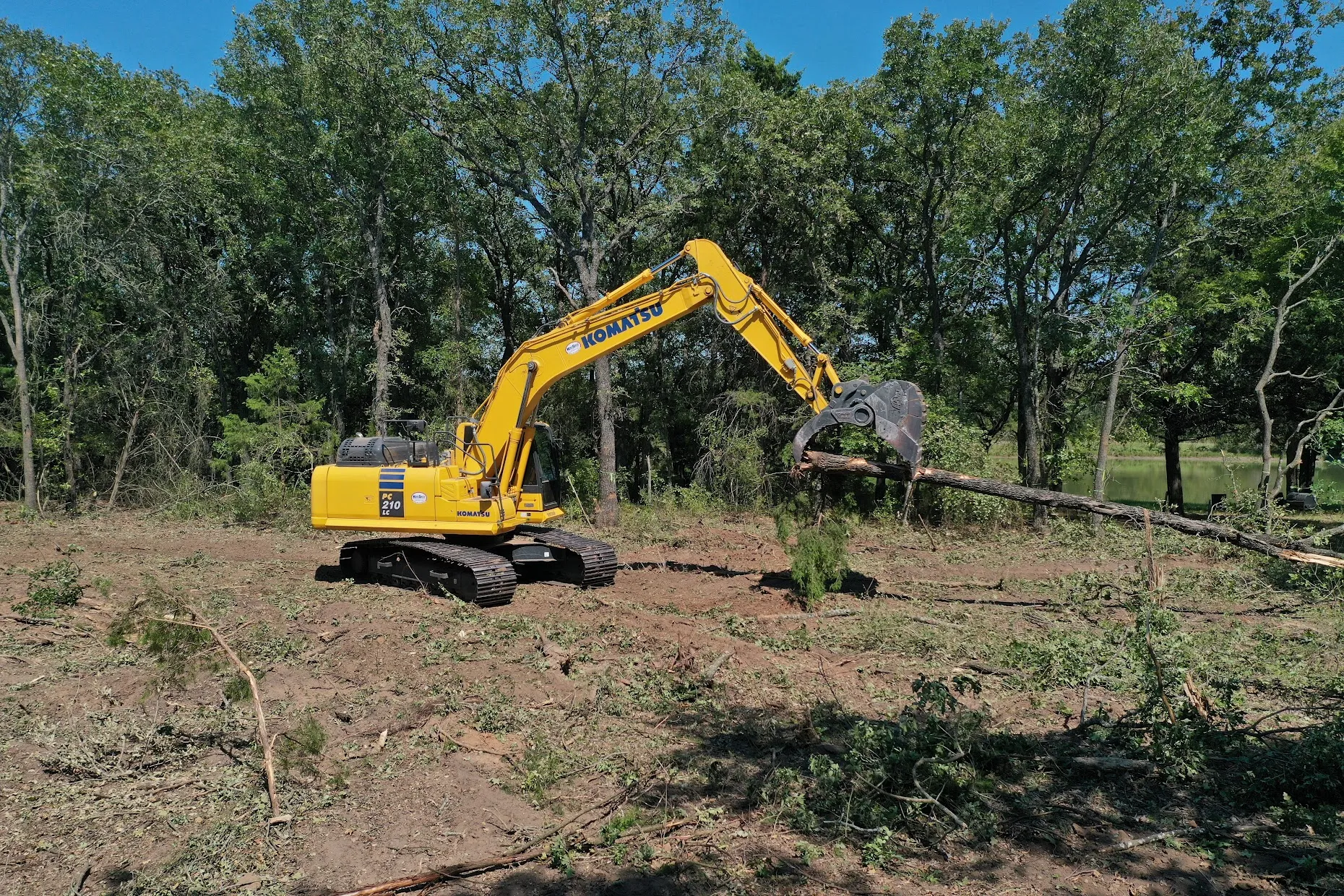
Rough grading is what happens early in a construction project. The goal is to get the land to approximately the right shape and elevation before any building starts. It’s not about precision at this stage, it’s about moving large amounts of soil to get things in the right ballpark.
Finish grading comes later and is much more precise. This is where the final slope is set, the yard is smoothed out, and everything is prepared for topsoil, seed, sod, or whatever surface treatment is going in. Finish grading is what most homeowners are thinking about when they call a grading contractor.
Why Slope Is the Whole Game
Here’s the core of residential grading: water follows gravity, and slope determines where it goes.
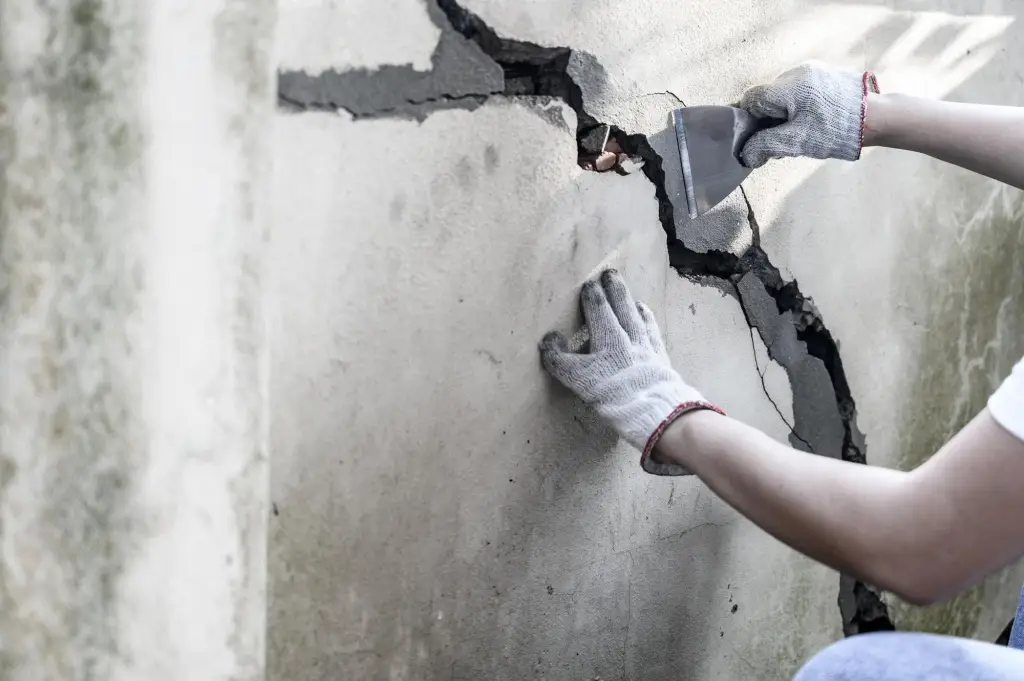
The standard rule is that the ground around a home should slope away from the foundation at a rate of about six inches over the first ten feet. That sounds like a minor detail, but it makes a big difference. When slope runs toward a structure instead of away from it, water has nowhere to go except into the soil right next to the foundation. Over time, that leads to moisture in crawl spaces, cracks in basement walls, and soil settlement that can shift the structure itself.
The same principle applies to driveways, outbuildings, and septic areas. If any of these areas are lower than the surrounding land, water collects there. Sometimes that’s just an inconvenience. Other times, it causes real damage.
The Role Drainage Plays
Slope gets water moving in the right direction, but drainage infrastructure is what handles it once it gets there. These two things work together, and a grading job that ignores drainage planning is only doing half the work.
In North Georgia specifically, this matters a lot. The region gets significant rainfall, and the clay-heavy soil common in Lumpkin County doesn’t absorb water quickly. When rain hits compacted clay ground, it runs off fast. Without proper drainage channels, swales, or culverts in place, that runoff has to go somewhere, and it usually goes somewhere you don’t want it to.
Swales & Berms
A swale is a shallow, sloped channel that directs runoff away from a structure and toward a safe outlet. A berm is a raised ridge of soil that acts as a barrier, redirecting water flow. Both are built into the grading work itself and don’t require separate piping systems.
French Drains
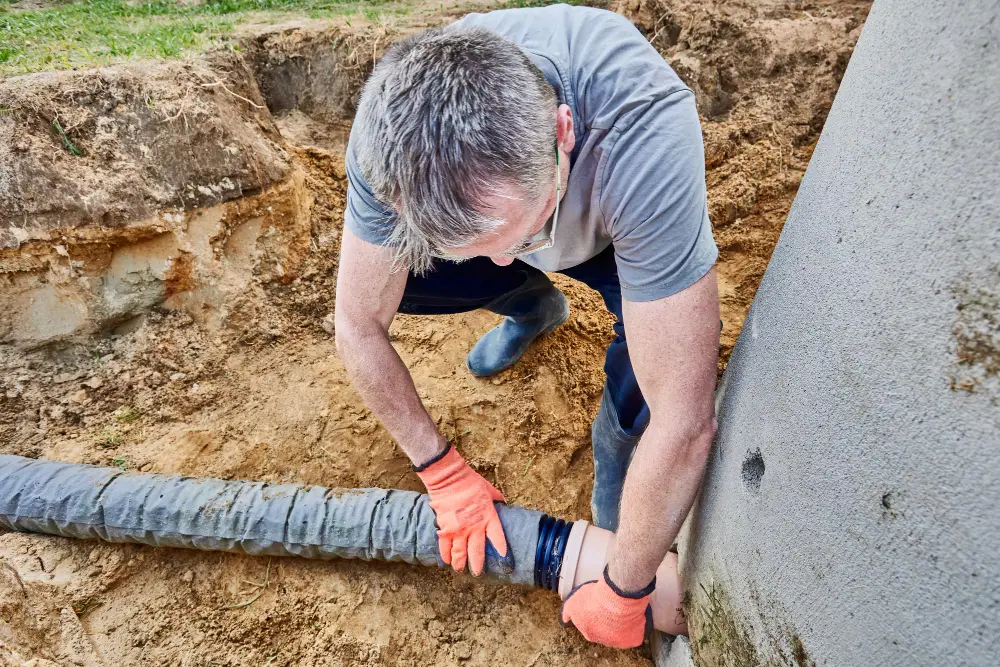
When surface drainage isn’t enough, a French drain can pull water down through the soil and carry it away through a perforated pipe. These are often used near foundations or in low spots where water tends to sit.
Culvert Pipes
For driveways or roads that cross over natural drainage paths, culvert pipes allow water to pass underneath without washing out the surface above. Getting culvert placement and sizing right is part of good grading work, not an afterthought.
When Residential Grading Makes Sense
A few common situations call for grading work.
New construction is the most obvious one. Any time a home is being built, the land needs to be graded before and after construction to account for the final elevation of the structure and surrounding surfaces.
Foundation drainage problems are another big one. If water is showing up in a crawl space or basement, re-grading the yard around the house is often the first fix to try before more expensive waterproofing solutions get involved.
Yard renovation is a less-talked-about reason, but a real one. If a new patio, retaining wall, or major outdoor project is going in, the grade of the yard needs to be considered as part of that work. Skipping that step is how you end up with a beautiful patio that floods every time it rains.
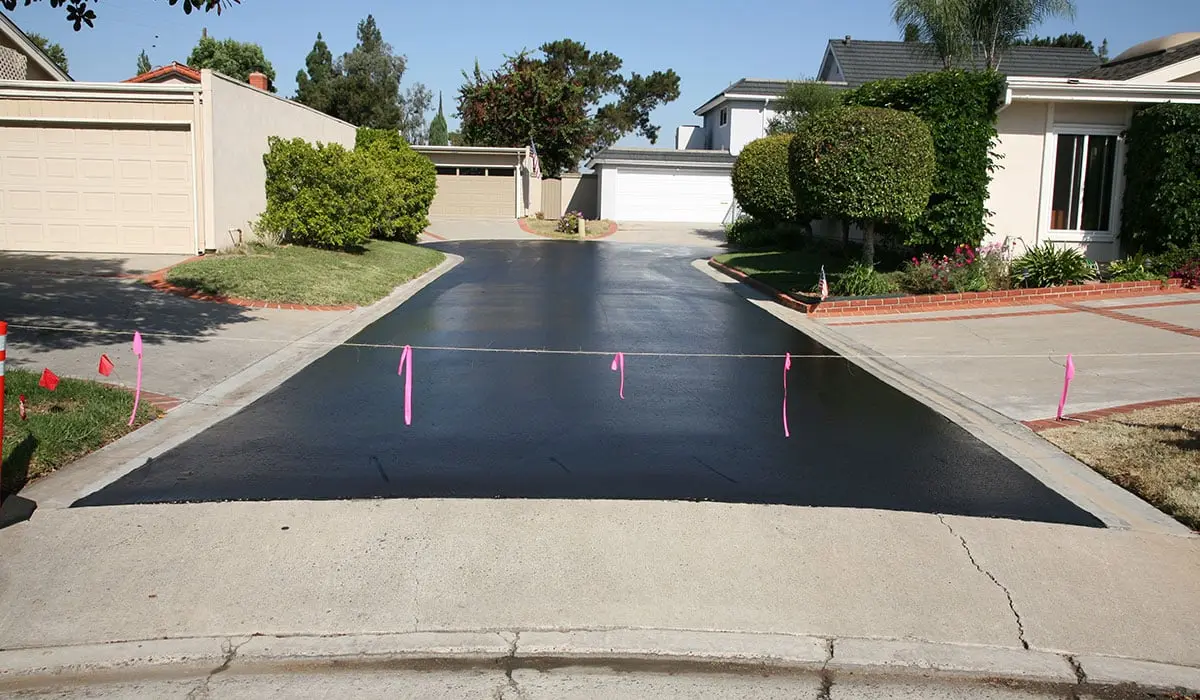
Driveway installation also goes hand-in-hand with grading. A driveway that sits in a low spot or doesn’t have proper side drainage will wash out, rut, and degrade much faster than one that was built with slope in mind from the start.
Getting It Right the First Time
Residential grading isn’t the kind of work you want to redo. Moving soil costs money, and fixing grading that was done wrong the first time usually costs more than doing it correctly to begin with.
The key is working with someone who looks at the whole property, slope, drainage paths, soil type, and what’s being built, before any equipment gets fired up. A well-graded property stays dry, stays stable, and gives everything built on it a much better shot at lasting.