These two terms get used interchangeably all the time, but they’re not the same thing. Property grading and landscaping serve different purposes, use different equipment, and solve different problems. Mixing them up can lead to spending money in the wrong place, or worse, doing landscaping work on top of ground that was never properly set up for it.
Here’s a straightforward breakdown of what each one actually involves, how they relate to each other, and how to figure out what your property actually needs.
What Property Grading Is
Property grading is about earthwork. It’s the process of reshaping the land itself, moving soil, setting slopes, and establishing the right elevations across a site. The goal is functional: get water to flow in the right direction, create a stable base for construction, and make sure the land can support whatever is going on it.
Grading doesn’t involve plants, mulch, stone, or anything decorative. It’s purely about the shape of the ground beneath everything else.
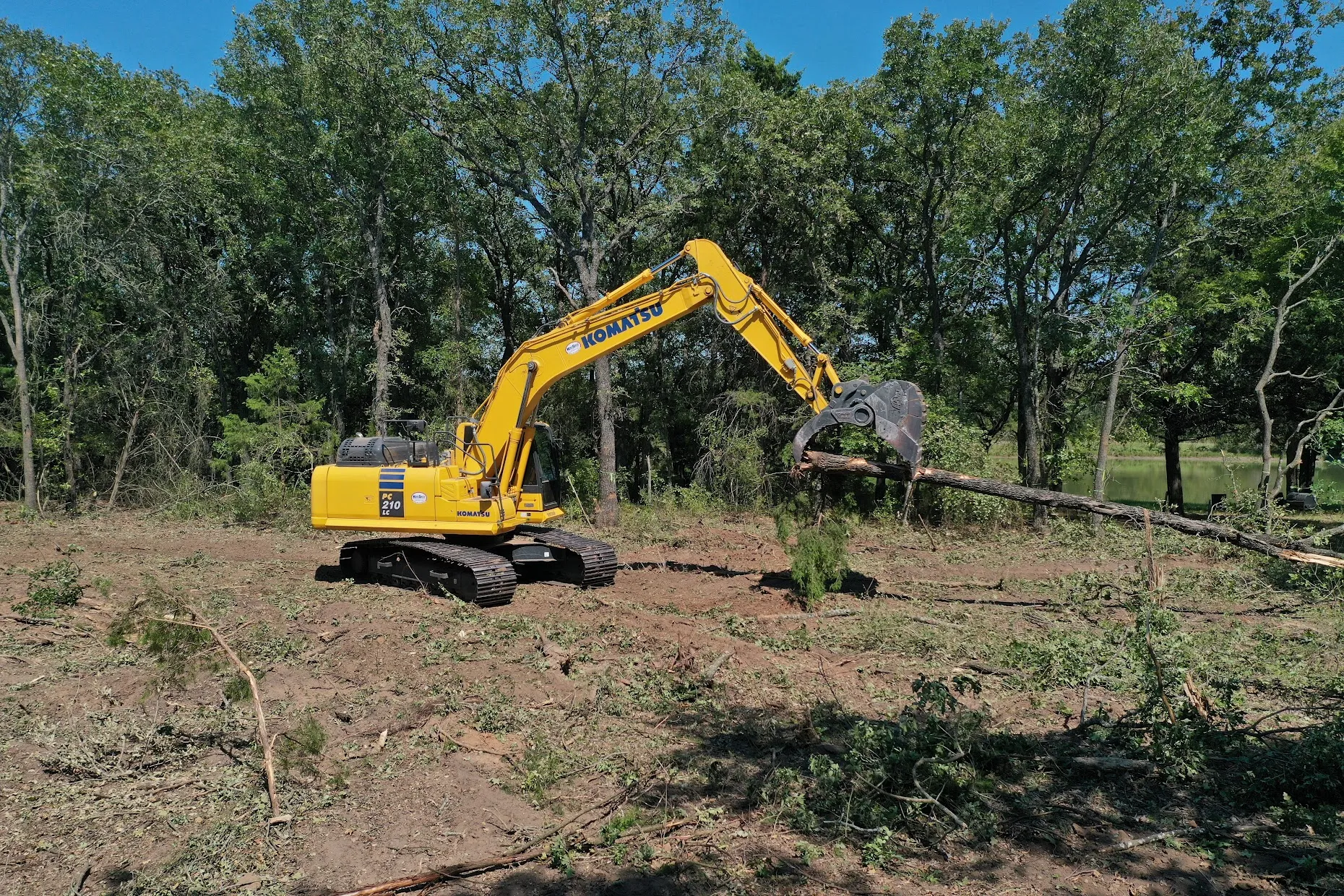
Site Clearing & Rough Grading
Before grading can happen on a site with trees, brush, or existing structures, the land gets cleared and rough-graded. This establishes a base elevation to work from and removes anything that would interfere with the earthwork.
Slope Correction
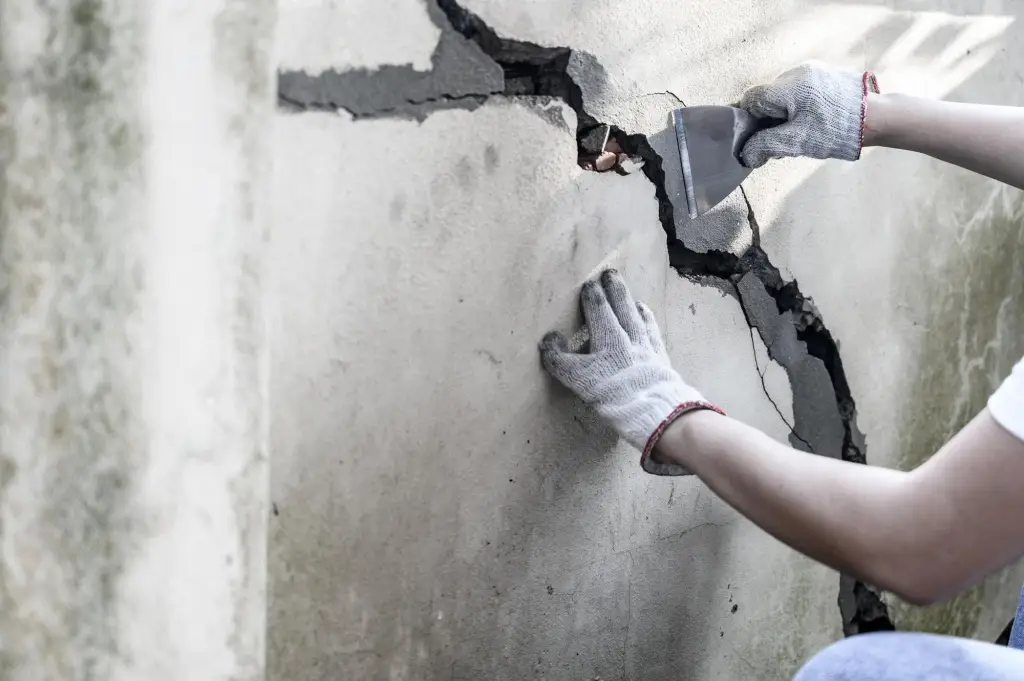
If the ground around a home is sloping toward the foundation instead of away from it, grading corrects that. This is one of the most common reasons homeowners call a grading contractor, water problems that trace back to a slope issue.
Building Pad Construction
When a new structure is going up, the ground needs to be leveled and compacted to a specific elevation before construction starts. That flat, stable area is called a building pad or house pad, and creating it is a grading job.
Drainage Grading
Grading work often goes hand-in-hand with installing drainage systems. Swales, berms, and culverts are all part of shaping the land to manage water flow, and they’re built into the grading rather than added on afterward.
What Landscaping Is
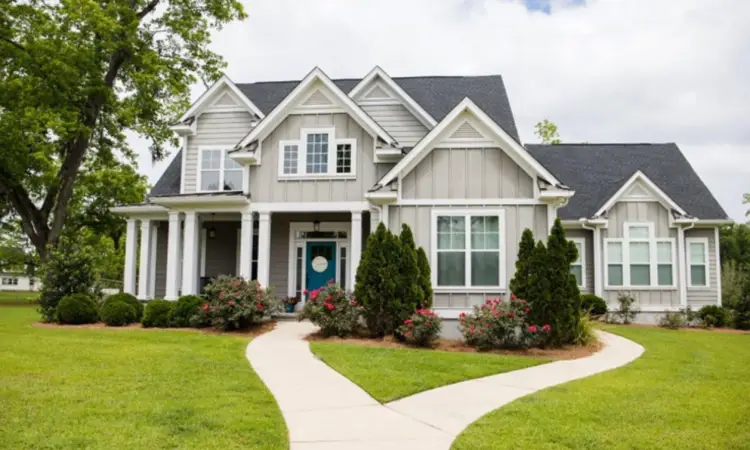
Landscaping is about what goes on top of the ground once it’s been properly given shape and prepared. It includes plants, grass, trees, shrubs, mulch, decorative stone, patios, walkways, and garden beds.
Landscaping can improve drainage in minor ways, choosing the right plants, for instance, or adding a rain garden. But it’s not a substitute for grading when there’s a real drainage or slope problem. You can’t plant your way out of a yard that sheds water toward your foundation.
Where People Get Confused
The confusion usually happens in one of two ways.
The first is when someone calls a landscaper about a drainage problem. A landscaper might be able to help with minor issues, redirecting a downspout, adjusting a planting bed. But if the root problem is that the land is sloped wrong or soil needs to be moved, a landscaper doesn’t have the equipment or scope to fix that. That’s a grading contractor’s job.
The second is when someone skips grading and goes straight to landscaping on a new build or renovation. The sod looks great for a season, and then the drainage problems show up. Water sits in low spots, kills grass, erodes soil, and eventually causes bigger problems. The landscaping has to come up to fix the grading underneath.
The right order is almost always: grade first, then landscape.
How to Tell What You Actually Need
A few situations can help point you in the right direction.
If there’s standing water in the yard after rain, especially in the same spots every time, that’s a grading and drainage issue. Landscaping can mask it temporarily, but it won’t fix what’s underneath.
If water is getting into a crawl space, basement, or garage, the slope of the ground around the home is likely part of the problem. That’s a grading job.
If something new is being built, a home, a garage, a barn, a large patio, the land needs to be graded first. No amount of landscaping prep substitutes for proper earthwork before construction.
If the yard drains well and the goal is to improve how it looks, add planting beds, or put in a patio, then landscaping is probably what’s needed. A grading contractor might still be involved to set elevations for hardscape areas, but the bulk of the work is landscaping.
If the situation isn’t clear, having a grading contractor take a look first is usually the smarter move. They can tell you quickly if the land needs earthwork before anything else happens on it.
Do You Ever Need Both?
Yes, and often in that order. A construction site gets rough-graded before the home goes up, finish-graded after construction is done, and then landscaped once the grade is set and the soil has had a chance to settle.
On an existing property, the same sequence applies. Fix the grade, make sure drainage is working correctly, and then do the landscaping work on top of a stable, properly sloped base.
Trying to do it the other way around, or skipping property grading entirely, is one of the more expensive mistakes you can make on a project. Getting the ground right first means everything that comes after it has a much better shot at holding up over time.