Getting land ready to hunt is half the fun and most of the work. You buy or lease a piece of ground in the north Georgia hills, you walk it once, and you realize the deer are there but you have no way to move through the property, no clear spot to plant, and no road to get your gear back in. That is where prep comes in, and doing it right sets up seasons of good hunting instead of one frustrating year.
Let me walk through the three big pieces of hunting land prep in north Georgia and how each one gets done.
Why Prep Work Pays Off
A raw piece of timber and brush can hold plenty of game, but you cannot hunt what you cannot reach or see. Prep work does three things. It gives you quiet ways to move to and from your stands. It opens spots where you can grow food that pulls deer into range. And it builds roads so you can haul equipment, tractors, and harvested game without tearing up the ground or getting stuck.
The trick in north Georgia is the terrain and the soil. You are working steep grades, thick hardwood, and red clay that turns to soup after a rain. So the work is not just cutting brush. It is cutting brush in a way that holds up against the slope and the water. Do it without that in mind and your new trail becomes a washed-out ditch by the second storm.
Clearing Trails
Trails are the veins of a hunting property. They get you in and out without spooking game, and they connect your stands, plots, and roads.
Cutting Quiet Paths to Your Stands
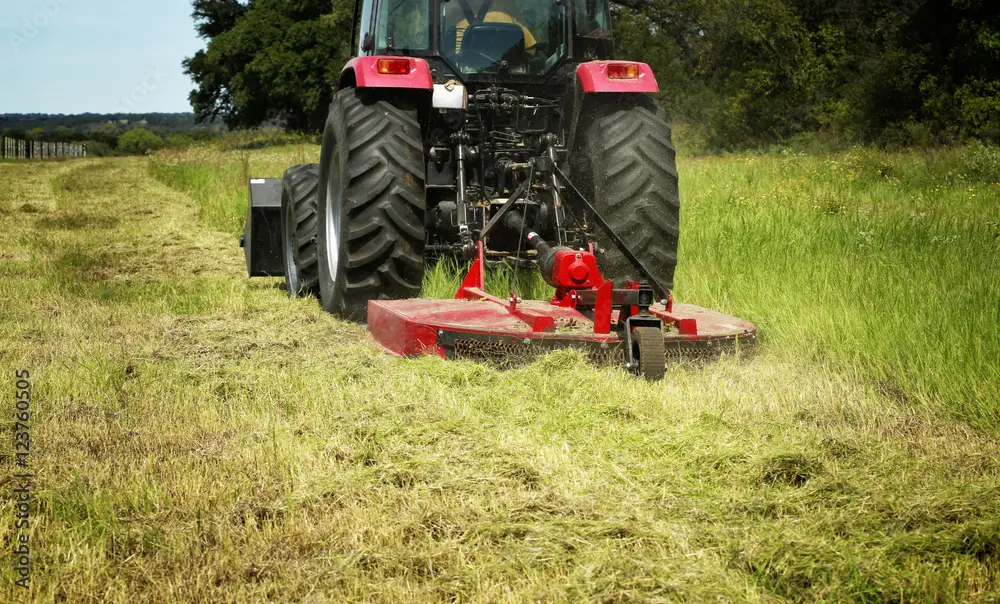
The goal of a good trail is a route you can walk in the dark without snapping every branch on the way. That means clearing the brush and low limbs along a path wide enough to move but tight enough to stay hidden. Brush hogging handles the thick undergrowth fast, knocking down the briars, saplings, and tall weeds that choke a walking lane.
Placement matters as much as clearing. A trail cut with the wind in mind lets you slip to a stand without your scent blowing ahead of you. So the cutting and the layout go hand in hand.
Keeping Trails from Washing Out
On a grade, a bare dirt trail is a channel waiting for rain. Water runs down it, cuts a rut, and before long you are walking a trench. The fix is cutting trails with a slight cross-slope so water sheds off the side instead of running down the length, and adding water breaks where the grade is steep. That small bit of planning keeps a trail walkable for years.
Building Food Plots
Food plots are what turn a property from a place deer pass through into a place they come back to. But a plot is only as good as the ground it sits on.
Picking & Clearing the Spot
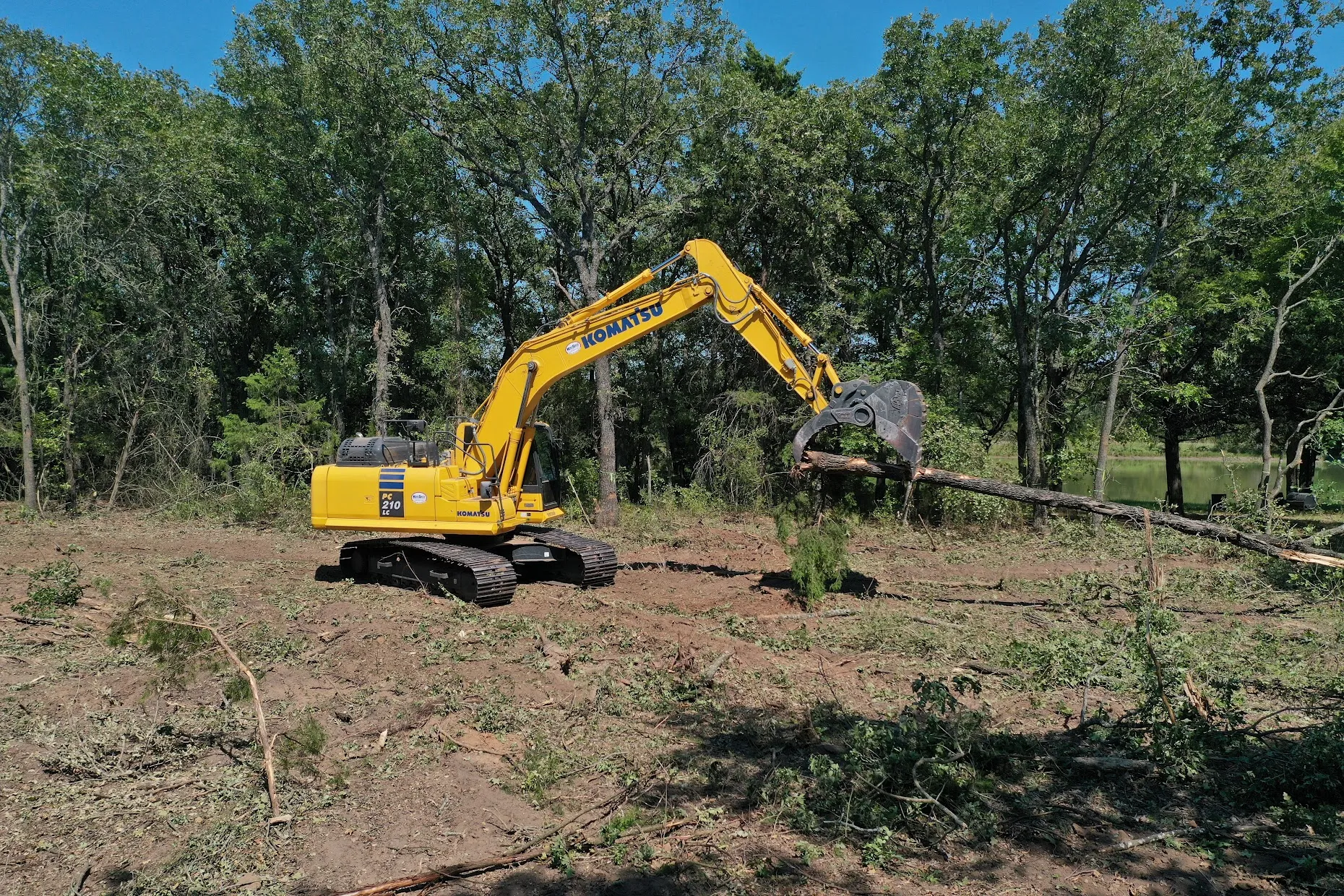
The right plot spot gets some sun, sits within reach of cover, and lands where you can hunt the wind. Once you pick it, the clearing starts. That means knocking down brush and saplings, pulling stumps or grinding them out, and opening the canopy so light reaches the ground. Brush hogging clears the surface growth, and heavier equipment handles the roots and stumps that would foul a tiller.
Prepping Red Clay for Planting
Here is where north Georgia soil fights you. Red clay is tight and holds water, so seed dropped on raw clay struggles. The ground needs working, breaking up the packed clay, and often bringing the pH up with lime since clay soils run acidic. Grading the plot so it drains instead of ponding keeps your seed from drowning after a wet week. Skip the soil work and you get a patchy plot. Do it right and you get green that pulls deer in all season.
Cutting Access Roads
Trails move you on foot. Roads move your equipment. On a working hunting property you need both.
What Makes a Road Hold Up
An access road on red clay lives or dies on drainage. Clay with no drainage turns to muck, and a truck or tractor sinks in it fast. A road that lasts starts with shaping the grade so water runs off, adding a base of crushed stone or gravel so the surface stays firm, and putting in culverts or ditches where the road crosses low ground or a wet-weather stream.
That crossing piece trips people up. A road that dams up a drainage floods every time it rains. A road with the right pipe under it lets the water pass and stays dry on top. Getting the culvert size and placement right is the difference between a road you can drive year-round and one that strands you half the season.
Gravel & Crush N Run
For a road that sees regular traffic, a gravel or crush and run surface over a graded base gives you a firm top that sheds water and stands up to a loaded truck. It costs more than bare dirt but saves you the misery of digging out a stuck tractor and rebuilding a rutted road every year.
Putting It All Together
Good hunting land prep is not three separate jobs. Trails, plots, and roads all tie into the same thing, which is moving water off the ground and keeping the soil where you want it. Cut a trail, open a plot, or build a road without minding the clay and the grade, and north Georgia rain undoes your work by fall.
The crews that do this well come in with brush hogging gear for the thick stuff, heavier equipment for stumps and grading, and the drainage know-how to keep it all from washing out.
The Final Word
Prepping hunting land in north Georgia comes down to clearing smart and building for the water. Cut quiet trails to your stands, open food plots where deer will feed and where the clay will grow something, and lay access roads that shed rain and cross wet spots with the right pipe. Do the prep with the soil and slope in mind, and the ground rewards you with seasons of hunting you set up yourself.