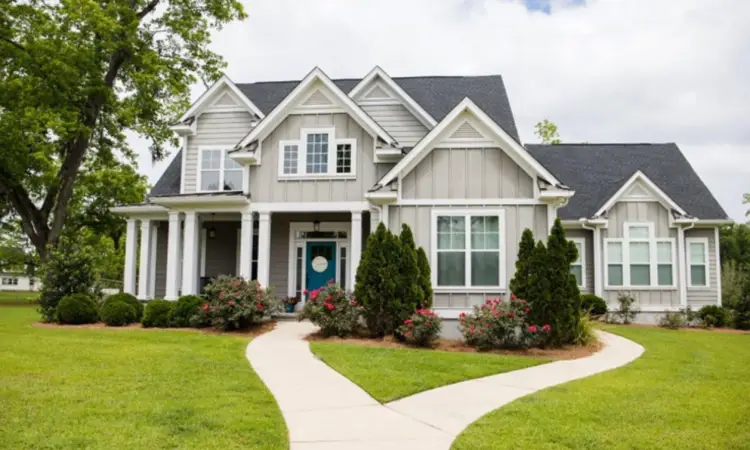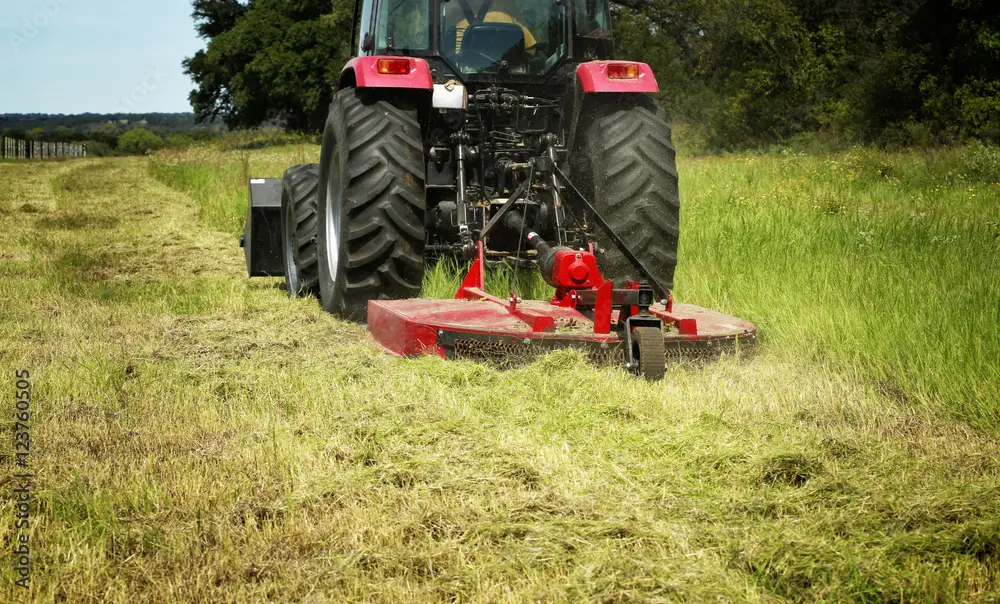
If you’re getting ready to build a home in Georgia, one of the first things you’ll need to budget for is house pad construction. This is the foundation prep work that happens before anything else can go up. Without a pad that’s graded and compacted the way it should be, you’re setting yourself up for problems down the road. Let’s talk about what goes into this process and what you can expect to pay in 2026.
What Is House Pad Construction?
A house pad is the area of land that gets cleared, leveled, and compacted to support the foundation of your home. Think of it as creating a blank slate where your house will sit. The work involves removing vegetation, grading the soil to the right elevation, and compacting everything so it won’t shift or settle after the foundation is poured.
In North Georgia, the terrain adds another layer to this work. Many properties have slopes, trees, and rocky soil that need to be dealt with before you can even think about leveling. That’s why costs can vary so much from one lot to another.
The Cost Factors for House Pad Construction
Site Conditions
The condition of your lot plays a big role in what you’ll pay. A flat, cleared lot in a subdivision will cost far less to prep than a wooded hillside property. If there are trees to remove, stumps to grind, or brush to clear, those costs add up. Rocky soil in the foothills around Dahlonega and Lumpkin County can also increase labor time and equipment needs.
Pad Size
The size of your house pad directly affects the price. A pad for a 1,500 square foot home costs less than one for a 3,000 square foot home. You’ll also need to factor in extra space for driveways, septic systems, and any outbuildings you’re planning.
Soil Type & Drainage
Georgia clay is notorious for holding water and expanding when it gets wet. If your site has poor drainage, you may need to bring in fill dirt, install drainage systems, or do additional grading work to keep water away from your foundation. Some sites require a French drain or dry creek bed to manage runoff before the pad can be considered stable.
Access to the Property
If your property is on a narrow dirt road or has a long driveway that needs work, getting equipment to the site costs more. Heavy machinery like dozers and excavators need room to maneuver, and they need roads that can handle their weight. Building or improving access roads adds to the total project cost.
Average Costs in 2026
For a house pad in Georgia, you can expect to pay anywhere from $1,500 to $10,000 or more depending on the factors mentioned above.
For a flat lot with minimal clearing needed, you’re looking at $1,500 to $3,500. This includes basic grading, compaction, and minor adjustments to get the site ready.
For a lot with trees, brush, and moderate slope, expect to pay $4,000 to $7,000. This accounts for clearing work, possible fill dirt, and more involved grading.
For a hilly lot with heavy vegetation and drainage issues, costs can run $8,000 to $15,000 or higher. Sites like this often require retaining walls, extensive drainage work, and multiple loads of fill material.
What does the Process Look Like
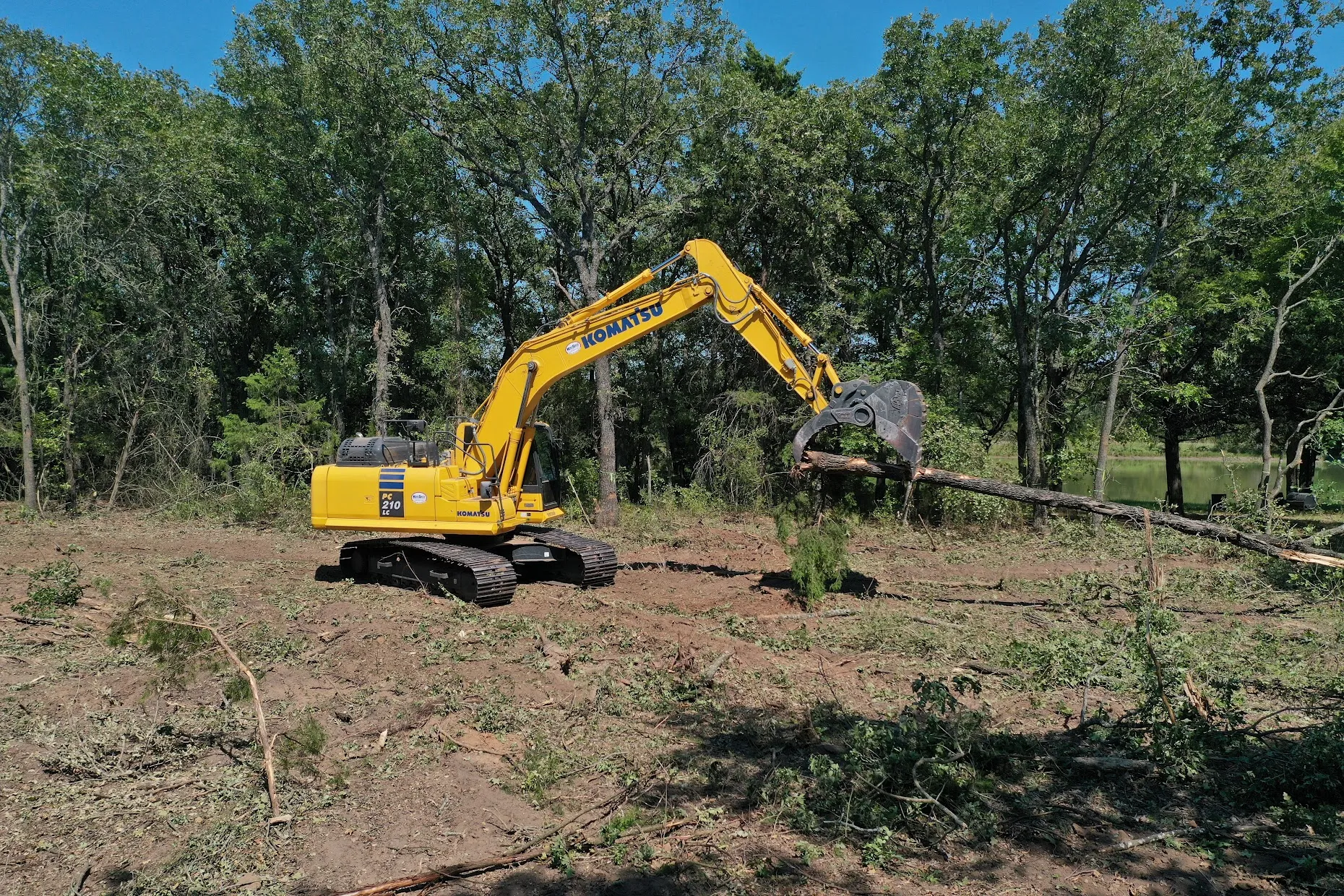
The first step is clearing the area where the pad will go. This means removing trees, brush, and any existing structures. Stumps get ground down or pulled out, and debris gets hauled away or burned if regulations allow.
Next comes the rough grading. A dozer or excavator moves dirt around to get the general shape and elevation right. This is where slopes get cut down and low areas get filled in.
After the rough grade, finer grading work brings everything to the exact specifications your builder needs. The soil gets compacted using heavy equipment to make sure it won’t settle after your foundation is poured.
Finally, any drainage features get installed. This might include grading swales to direct water away from the building site, installing underground pipes, or creating dry creek beds along property lines.
Getting an Accurate Estimate
The only way to know what your house pad will cost is to have someone come out and look at the property. Every site is different, and online calculators can only give you a ballpark figure. A contractor who works in your area will know the local soil conditions, permitting requirements, and what kind of challenges your particular lot might present.
When you’re getting quotes, make sure to ask what’s included. Some contractors include clearing in their pad price, while others charge for it separately. Ask about fill dirt costs, hauling fees, and how they handle unexpected conditions like buried debris or water issues.
Building a home is a big investment, and the pad is where it all starts. Taking the time to get this step right saves money and headaches later on. A pad that’s built properly gives your foundation the support it needs for decades to come.