Introduction: Is the Premium Look Worth the Price?
Concrete looks fantastic on day one. It’s white, crisp, and clean. But before you sign a contract for thousands of dollars, you need to ask yourself one critical question:
Is the aesthetic appeal worth the 500% markup?
As homeowners, we often obsess over the surface material while ignoring the most important part of any driveway: the base and the drainage. The result is predictable people overspend on a rigid surface that cracks within five years, while underspending on the prep work that could have made the driveway last twenty.
After repairing hundreds of failed driveways across North Georgia, we’ve learned one hard truth: most driveway failures start with the wrong priorities.
At Dirt Road Repairs, we believe in Return on Investment (ROI). In this guide, we break down the real numbers to show why a properly installed stone driveway is often the smartest financial decision for Georgia homeowners.
The Upfront Cost Analysis: Where Does Your Money Go?
Let’s start with raw installation costs. Across the paving industry, driveway materials generally fall into three price tiers.
Tier 1: The Budget-Friendly Choice Gravel & Crushed Stone
- Cost Impact: $ (Low)
- Value: You get the most coverage for your dollar
Leaves room in the budget for grading and drainage (where the real value is)
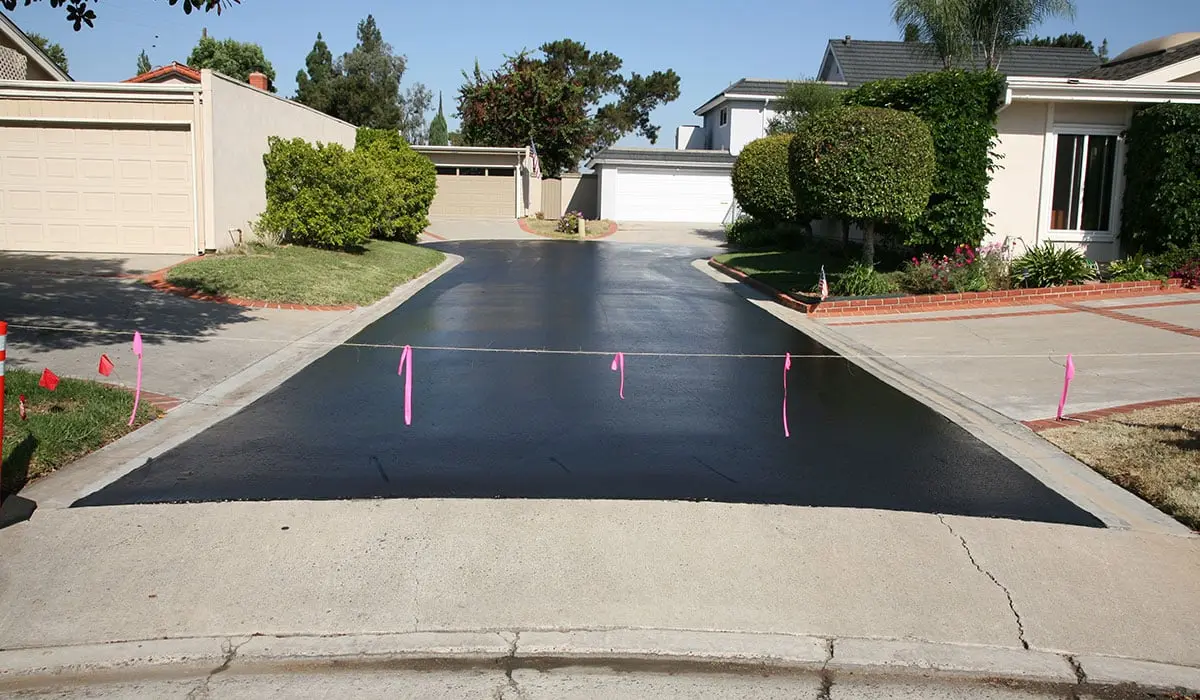
The Middle Ground Asphalt
- Cost Impact: $$ (Mid)
- Value: Significantly more expensive than stone
- Requires specialized machinery and future maintenance planning
The Luxury Choice Concrete
- Cost Impact: $$$ (High)
- Value: High labor, rebar reinforcement, and trucking costs
- Little budget left for drainage correction
The Math Most Homeowners Miss:
For the price of pouring a short 50-foot concrete pad in front of your garage, you could often install a long gravel driveway plus a complete drainage system (French drains and culverts).
Which one protects your property value more:
a decorative slab or a system that controls water and prevents erosion?
Long Term Maintenance Costs: The 10 Year View
The initial installation price is only half the story. Smart homeowners look at the total cost of ownership.
Scenario A: Concrete (The All or Nothing Trap)
Concrete is low maintenance until it isn’t.
- Years 1 5: Zero cost
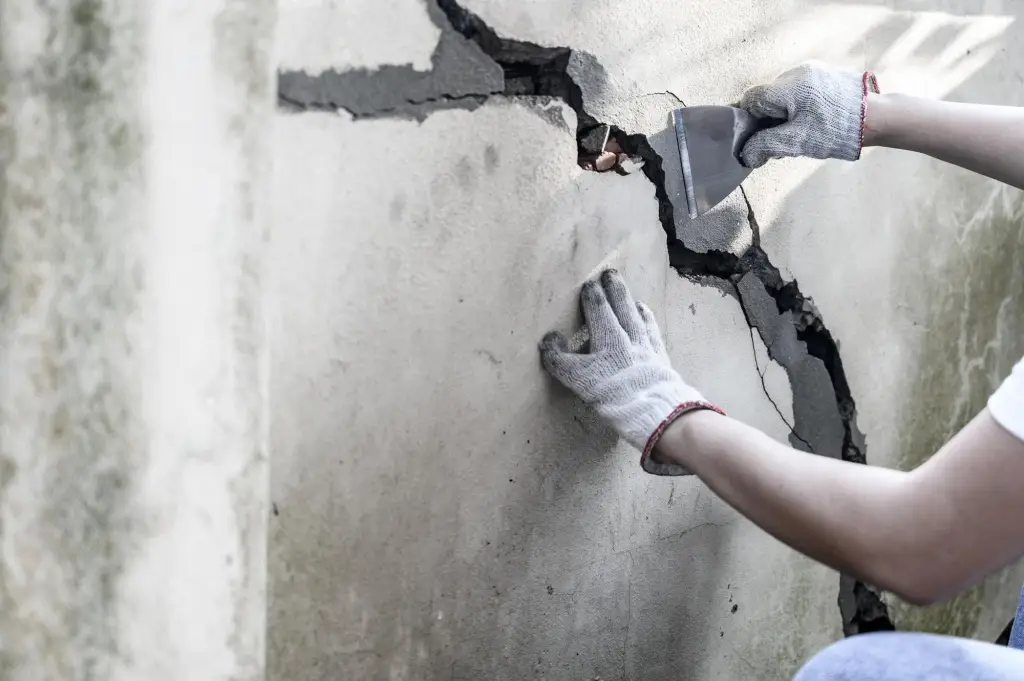
- Year 6: The ground shifts, a crack appears
The Cost Reality:
You can’t fix concrete cracks invisibly. You either live with the eyesore or pay thousands to jackhammer and repour sections.
Scenario B: Asphalt (The Nickel and Dime Trap)
- Requires seal-coating every 3–5 years
- Skipped maintenance leads to cracking and potholes
The Cost Reality:
Maintenance is predictable but unavoidable and adds up quickly.
Scenario C: Stone / Gravel (The Pay As You Go Winner)
- Requires occasional grading or power raking
- No permanent damage when ruts appear
The Cost Reality:
If ruts form, you call Dirt Road Repairs. We perform a Power Raking service that re-mixes existing stone and restores the driveway to a like-new condition at a fraction of asphalt or concrete repair costs.
Winner: Gravel offers the lowest 10 year driveway cost.
The Washout Risk Factor (Why Concrete Is Risky in Georgia)
This is the financial risk nobody talks about.
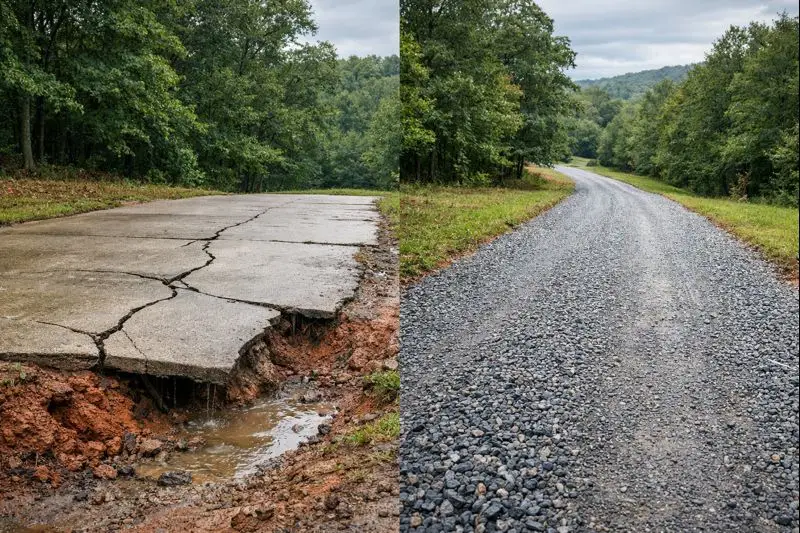
Georgia gets torrential rain, and when water overwhelms poor drainage, it tunnels under driveways.
If You Have Concrete
- Soil washes out underneath
- Concrete loses support
- Slab cracks or collapses
Result:
Total loss. The concrete must be removed before the dirt problem can even be fixed.
If You Have Gravel
- Water causes a dip or rut
- Stone settles instead of breaking
Result:
Zero material loss. We simply re-grade the stone back into place.
If you’re unsure whether your driveway problem is material-related or drainage-related, a professional evaluation can save you thousands.
Smart Money Tip
Instead of spending your entire budget on concrete:
- 30% on a stone driveway
- 30% on drainage or retaining solutions
- Save 40% of your cash and protect your land
Being Fair: When Does Concrete Actually Make Sense?
We’re not anti concrete we’re anti-misuse.
Concrete Works Well For:
- Small, flat patios
- Short garage aprons
- Suburban lots with no slope
Concrete Is a Bad Financial Choice For:
- Long rural driveways
- Steep hills (slippery when wet or icy)
- Soft sub-soil or heavy runoff areas
Concrete fails in rural Georgia not because it’s weak but because it’s rigid in a moving environment.
Conclusion: Make the Smart Money Move
Don’t let the shiny look of fresh pavement distract you from financial reality. A driveway that drains properly and holds its integrity is worth far more than a cracked concrete slab.
Save thousands by choosing a Crush N Run base with a #57 Stone finish, and invest the savings into professional grading and drainage.
At Dirt Road Repairs, we don’t sell surfaces we solve problems.
Ready for a Cost-Efficient Solution That Lasts?
📞 Call: 770-771-3977
📅 Schedule Online: Contact Us for a free estimate