Gutter material and construction methods affect how well the system performs, how long it lasts, and how much maintenance it requires. Homeowners shopping for gutters encounter three main options: aluminum sectional gutters, vinyl sectional gutters, and seamless gutters formed from aluminum. Each has characteristics that make it better suited for certain applications. Knowing these differences helps you select the option that matches your needs and budget.
Aluminum Sectional Gutters
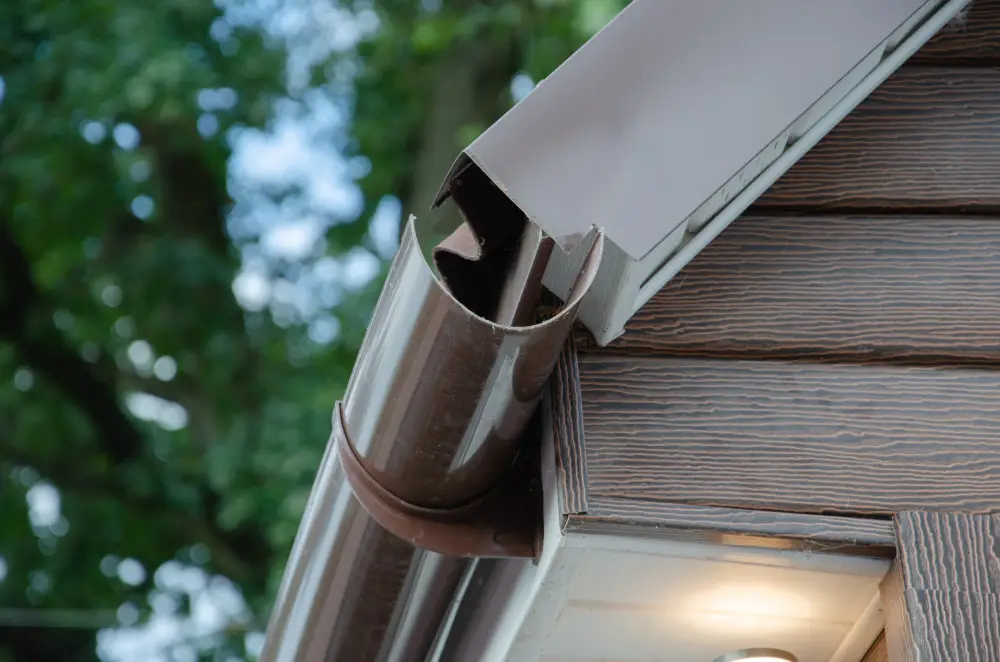
Aluminum gutters sold in pre-cut sections at home centers and building supply stores are the most common type installed on residential properties.
Material Properties
Aluminum resists rust and corrosion. Unlike steel, which rusts when the protective coating fails, aluminum oxidizes on the surface but does not corrode through. This makes aluminum suitable for all climate conditions from coastal areas with salt exposure to humid regions with frequent rainfall.
The material weighs less than steel, which simplifies handling during installation and places less stress on hangers and fascia attachments. Lighter weight does not mean less strength for typical residential applications. Aluminum in appropriate thickness handles the loads from water, debris, and occasional ice accumulation.
Temperature changes do not make aluminum brittle as they do with vinyl. The material maintains its properties across a wide temperature range from cold winters to hot summers.
Thickness Options
Aluminum gutters come in several thickness grades measured in inches. Economy grades start at 0.025 inches. Standard residential grades run 0.027 inches. Premium grades reach 0.032 inches.
Thicker material resists denting from ladder contact, falling branches, and hail. It holds up better when pressure washing and during cleaning. For properties with trees overhead or where ladder access is frequent, thicker aluminum provides better longevity.
The cost difference between thickness grades is modest compared to the total project cost. Moving from economy to standard grade adds about 15 percent to material costs. The durability improvement justifies this expense for most applications.
Color & Finish
Aluminum gutters are available in painted finishes that match common siding and trim colors. Factory finishes last longer than paint applied after installation. The baked-on coating resists fading and peeling for 20 years or more.
Custom color matching is available at additional cost. For historic properties or homes with unusual color schemes, this option ensures gutters mix in with the architecture.
Cost & Availability
Aluminum sectional gutters cost $5 to $12 per linear foot for materials. A typical home needing 150 feet of gutter requires $750 to $1,800 in materials. Installation labor adds $3 to $7 per linear foot.
Components including corners, end caps, hangers, and drop outlets are stocked at most hardware stores. This availability simplifies replacement when parts fail or when expanding the system.
Lifespan
Aluminum gutters last 20 to 30 years with routine maintenance. Factors that shorten lifespan include installation errors, inadequate maintenance, and physical damage from impacts or ice.
Vinyl Sectional Gutters
Vinyl gutters cost less than aluminum and install easily, making them attractive for budget-conscious homeowners and DIY installations.
Material Properties
Vinyl is a plastic that will not rust or corrode. The material runs through with color, so scratches and chips are less visible than on painted metal gutters.
However, vinyl becomes brittle in cold temperatures. Winter conditions cause vinyl to crack, especially when stressed by ice loads or impacts. A ladder leaned against vinyl gutters in winter can crack them.
Sun exposure causes vinyl to fade and degrade. The material loses strength over years of UV exposure and may become chalky or discolored. Degradation is faster on south-facing installations that receive maximum sunlight.
Installation Simplicity
Vinyl gutter sections snap together without tools. The pieces interlock and hold position without sealant or mechanical fasteners at most joints. End caps and corners attach similarly.
This simplicity makes vinyl suitable for DIY installation. A homeowner with no prior experience can install vinyl gutters using only cutting tools and basic hand equipment.
The tradeoff is that vinyl joints are less secure than sealed and riveted metal joints. Wind can separate vinyl sections. Temperature changes cause expansion and contraction that may open gaps at connections.
Temperature Limitations
Vinyl has a narrow temperature range where it performs well. In cold climates, winter temperatures make the material so brittle that normal handling can cause cracks. In hot climates, extreme heat can cause sagging and warping.
The material works best in moderate climates where winter lows stay above 20 degrees and summer highs stay below 95 degrees. Outside these ranges, aluminum provides better performance.
Cost
Vinyl gutters cost $3 to $6 per linear foot for materials. A 150-foot installation requires $450 to $900 in materials. This showcases a 40 to 50 percent savings compared to aluminum.
Installation labor costs less because the work goes faster. Some contractors charge $2 to $5 per linear foot to install vinyl compared to $3 to $7 for aluminum.
Lifespan
Vinyl gutters last 10 to 20 years depending on climate and exposure conditions. Installations in moderate climates with minimal sun exposure reach the upper end of this range. Cold climates with freeze-thaw cycles or hot climates with intense sun see shorter lifespans.
Seamless Aluminum Gutters
Seamless gutters are formed on-site from continuous rolls of aluminum. A portable machine bends the material into the gutter profile in lengths up to 100 feet or more.
Reduced Leak Points
The primary advantage of seamless construction is fewer joints where leaks can develop. A 50-foot gutter run made seamlessly has joints only at the corners and downspout connection. The same run in sectional gutters might have five joints connecting sections plus the corners and downspout.
Each joint is a possible leak point. Sealant deteriorates over time, rivets work loose, and connections fail. Seamless gutters eliminate most of these failure points.
This matters more in some situations than others. Properties with long gutter runs, areas with freeze-thaw cycles that stress joints, and installations where access for maintenance is difficult benefit most from seamless construction.
Professional Installation Required
Homeowners cannot purchase seamless gutters or the equipment to form them. A contractor with a portable gutter machine must form the gutters on site and install them.
This requirement eliminates the DIY option. Property owners must hire contractors for seamless gutter work, which adds labor costs but ensures professional installation.
Cost
Seamless aluminum gutters cost $7 to $14 per linear foot installed. This includes materials, forming, and installation labor. A 150-foot installation runs $1,050 to $2,100.
The higher cost compared to sectional gutters reflects the equipment investment and the professional labor required. Some contractors charge similar rates for seamless and sectional installations because the time savings from seamless work offsets the equipment cost.
Appearance
Seamless gutters create clean lines without visible joints along the runs. This appeals to homeowners concerned about appearance. The difference is subtle but noticeable when comparing houses side by side.
For properties where curb appeal matters, seamless construction contributes to a finished look.
Lifespan
Seamless aluminum gutters last 20 to 30 years, similar to sectional aluminum. The seamless construction does not extend the material life, but it reduces leak problems that can shorten system life.
Comparing Performance
How these three options perform in various conditions helps clarify which suits your situation.
Cold Climates
Aluminum, both sectional and seamless, handles cold temperatures well. The material remains flexible and does not become brittle. Freeze-thaw cycles do not damage aluminum itself, though they can stress joints and sealants.
Vinyl fails in cold climates. Cracking from brittleness is common, and ice loads often cause failures.
For properties in snow regions, aluminum is the clear choice.
Hot & Sunny Climates
Both aluminum types handle heat well. The material does not warp or sag under high temperatures. Painted finishes may fade faster in intense sun, but the structural performance remains good.
Vinyl can sag in extreme heat and UV exposure degrades the material over time. For properties in hot climates, aluminum provides better longevity.
Moderate Climates
In areas with mild winters and moderate summers, all three options function adequately. Vinyl’s weaknesses are less pronounced when temperature extremes are avoided.
Budget-conscious homeowners in these regions can choose vinyl and expect reasonable performance. Those willing to invest more get better longevity from aluminum.
DIY vs. Professional Installation
Vinyl suits DIY installation best. The snap-together assembly and availability at retail stores make it accessible for homeowners.
Aluminum sectional gutters are also DIY-friendly but require more skill. Cutting, sealing, and riveting joints takes practice to do well.
Seamless gutters require professional contractors. This ensures quality installation but removes the option for homeowners to save money with their own labor.
Making the Decision
Choose based on your priorities, climate, and budget.
For longest life and best performance in most climates, aluminum gutters in either sectional or seamless form provide the best value. The material handles temperature extremes, resists degradation, and lasts for decades.
Within the aluminum category, choose seamless if your budget allows and long gutter runs without joints appeal to you. Choose sectional if you want to do the work yourself or if the project involves multiple small buildings where seamless advantages are minimal.
Consider vinyl only for moderate climates, temporary installations, or situations where minimum upfront cost is the driving factor. Understand that replacement will likely be necessary sooner than with aluminum.
Dirt Road Repairs installs both sectional and seamless aluminum gutters. We work with homeowners to select the option that fits their property and budget. Contact us to discuss which gutter type suits your needs.