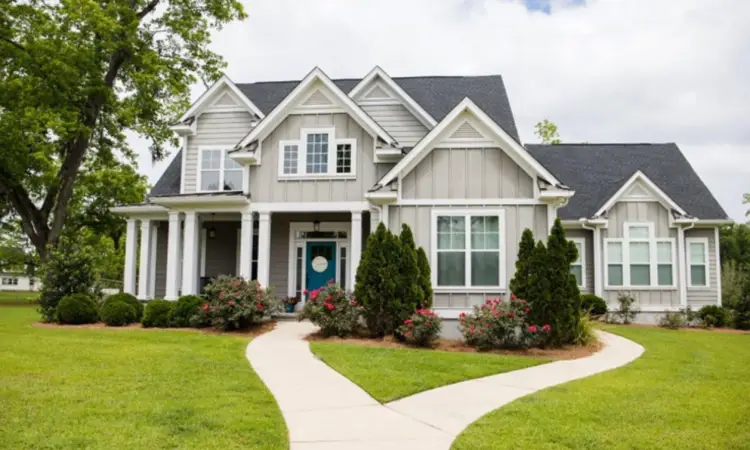
The land surrounding your home contributes as much to property value as the structure itself. Buyers notice yards that drain well, look level, and support healthy landscaping. Poor grading creates visual problems and functional issues that reduce what buyers will pay for a home.
First Impressions Start With the Ground
Real estate agents emphasize curb appeal because buyers form opinions within seconds of seeing a property. A yard with standing water, uneven terrain, or bare patches where grass cannot grow sends negative signals. These visual cues suggest maintenance problems and possible future expenses.
Proper grading creates an even, smooth appearance. The eye naturally prefers gradual slopes to abrupt changes in elevation. When done correctly, grading work looks intentional rather than haphazard. The ground flows naturally from the house to the street, creating visual harmony.
Level areas near the home provide functional outdoor space. Buyers value flat spaces for patios, play areas, or gardens. Without proper grading, yards may lack usable flat areas, limiting how owners can enjoy outdoor spaces.
Property Value Impact
Appraisers consider drainage and grading when determining home values. Properties with drainage problems receive lower valuations than comparable homes with proper grading. The difference can amount to thousands or tens of thousands of dollars, depending on the severity of grading issues.
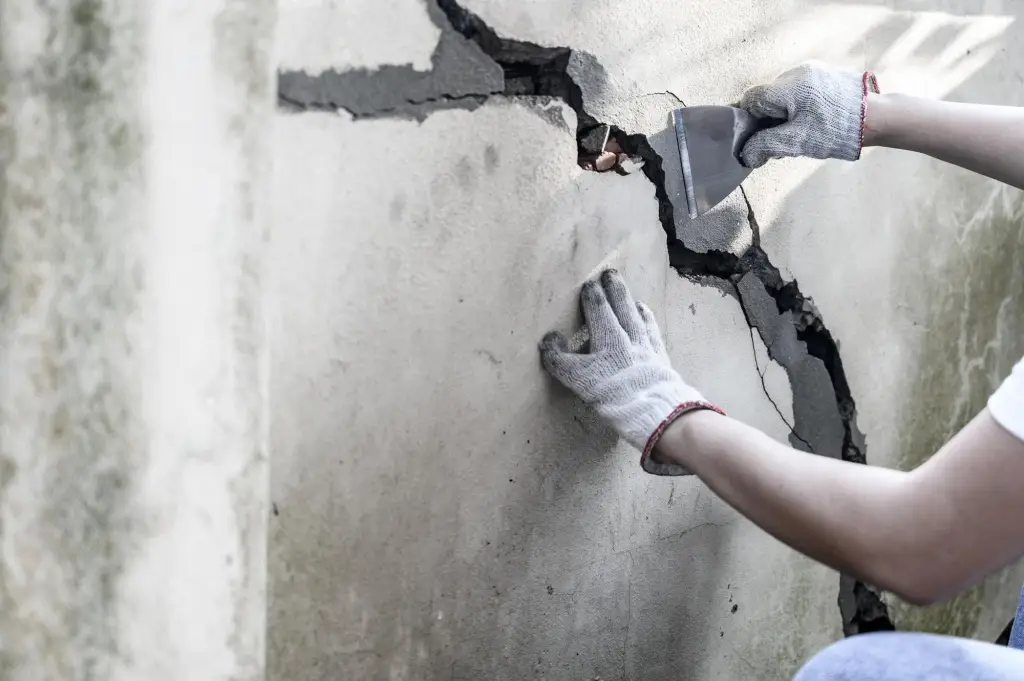
Homes with foundation problems caused by poor drainage face the steepest value reductions. Once a foundation shows damage, buyers factor repair costs into their offers. Even after repairs, the history of foundation problems can deter some buyers entirely.
Well-graded properties command premium prices in competitive markets. Buyers recognize the value of proper drainage and the costs they avoid by purchasing a home with correct grading already in place. This recognition translates into higher offers and faster sales.
Creating Usable Outdoor Spaces
Grading work defines outdoor living areas. A flat terrace adjacent to the home provides space for furniture, grills, and entertainment. These areas require precise grading to ensure water drains away while maintaining a level surface for furniture placement.
Slopes elsewhere in the yard guide water away from flat areas and structures. The contrast between level entertainment spaces and sloped drainage areas creates both function and visual interest. This variation makes yards appear larger and more intentionally designed.
Properties with multiple level changes can incorporate terraces connected by steps or gentle slopes. These multi-level designs add dimension to yards and create distinct zones for different activities. Retaining walls often support these terraces, adding architectural interest while managing elevation changes.
Lawn Health & Landscaping Success
Grass grows best on properly graded soil. Areas where water pools drown grass roots, creating muddy dead zones. Steep slopes dry out quickly, stressing grass and creating brown patches. Proper grading provides consistent moisture levels that support healthy turf.
Low spots in yards collect water and prevent mowing. These areas remain wet days after rain, making them inaccessible when you need to maintain the rest of the lawn. Grading eliminates these problem areas and allows normal maintenance schedules.
Garden beds and landscaping thrive with correct drainage. Most plants require well-drained soil to prevent root rot. Grading around planting areas ensures water moves through the soil rather than saturating it. This drainage allows roots to access both water and oxygen.
Trees and shrubs establish better in graded yards. During the first years after planting, proper drainage determines plant survival rates. Young plants have limited root systems and cannot tolerate waterlogged conditions. Correct grading gives new landscaping the best chance to establish.
Addressing Erosion & Bare Spots
Steep slopes without proper stabilization erode during rainstorms. Running water carries away topsoil, creating gullies and exposing subsoil. These eroded areas look unsightly and become progressively worse with each storm.
Grading reduces slope angles to levels that resist erosion. Gentler slopes slow water movement, allowing it to soak into the ground rather than run across the surface. This infiltration feeds plants and reduces the erosive power of stormwater.
Bare patches in lawns often result from grading problems. Water may wash away seeds in low areas or drain too quickly from high spots. Correcting these elevation issues allows grass to establish uniformly across the yard.
Integrating Hardscaping Elements
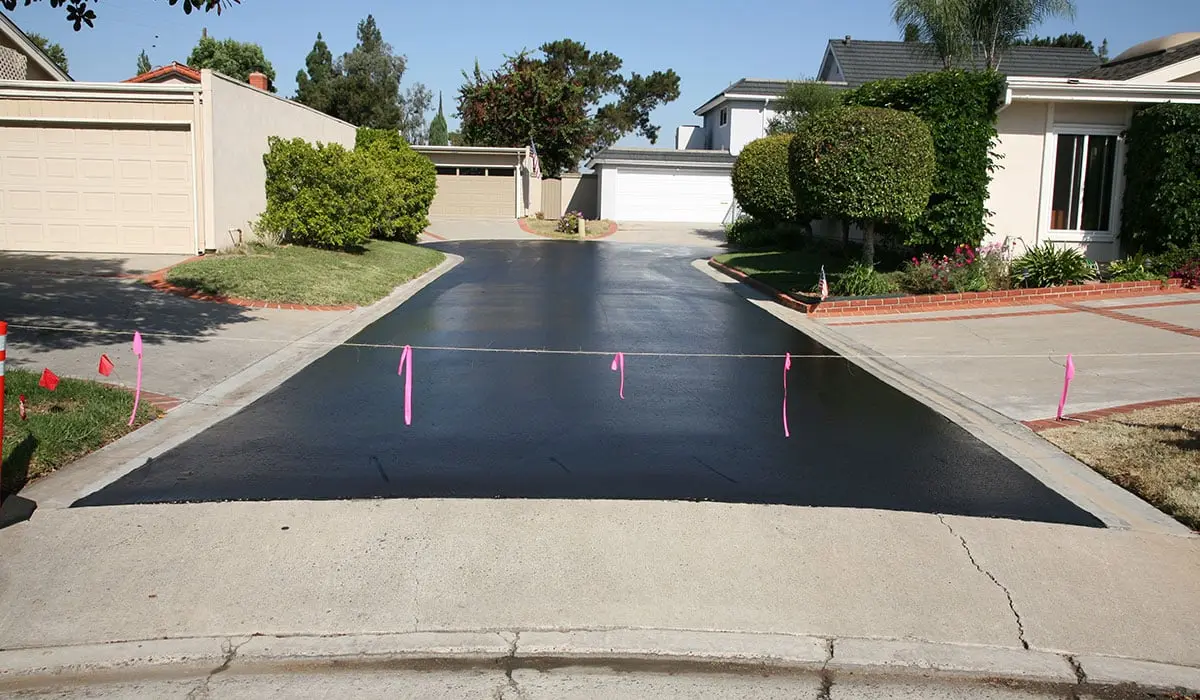
Patios, walkways, and driveways require proper base grading. These hardscaped areas must slope away from structures to prevent water from flowing toward foundations. The slope should be subtle, typically one to two percent, to drain effectively without being noticeable to people walking on the surface.
Retaining walls depend on correct grading behind them. The soil behind a retaining wall must drain properly to prevent hydrostatic pressure buildup. Without proper drainage, pressure can push walls outward, causing failure. Grading work ensures water moves away from walls through designed drainage systems.
The transition between different yard elements requires careful grading. Where lawn meets patio, the elevation change should appear intentional. Proper grading creates clean lines between different materials and ensures water flows in designed directions.
Seasonal Considerations
Spring rains reveal grading deficiencies. Properties with proper grading dry out quickly after storms, allowing normal yard use to resume. Poor grading leaves yards soggy for days or weeks, limiting outdoor activities during prime months.
Winter snowmelt benefits from correct grading just as much as rain. In cold climates, snowmelt can exceed the volume of summer rainstorms. Proper slopes direct this water away from homes and prevent ice dams from forming near foundations.
Fall leaf cleanup is easier on properly graded properties. Leaves and debris wash into low spots in yards with poor drainage. These accumulations require extra effort to remove and can smother grass underneath. Correct grading prevents debris collection areas.
Market Timing Advantages
Sellers with graded properties can list homes year-round. Poor drainage forces some sellers to avoid listing during rainy seasons when yard problems are most visible. This timing restriction can mean missing the spring selling season when buyer activity peaks.
Move-in ready homes command the highest prices. Buyers pay premiums to avoid immediate projects after closing. Properties requiring grading work before enjoyment give buyers leverage to negotiate lower prices or ask for concessions.
Long-Term Value Preservation
Grading protects your investment over decades. The expense of grading work pays dividends in avoided repair costs and maintained property values. Foundation repairs, basement waterproofing, and erosion control all cost more than preventive grading.
Future buyers will evaluate your property the same way you should evaluate it now. Homes with correct drainage and grading appeal to the next generation of owners. This broad market appeal ensures your home remains competitive when you decide to sell.
The relationship between proper grading and property value is direct and measurable. Every dollar invested in correct grading returns in higher appraisals, faster sales, and buyer confidence. The visual appeal and functional benefits of proper grading make homes stand out in any market.