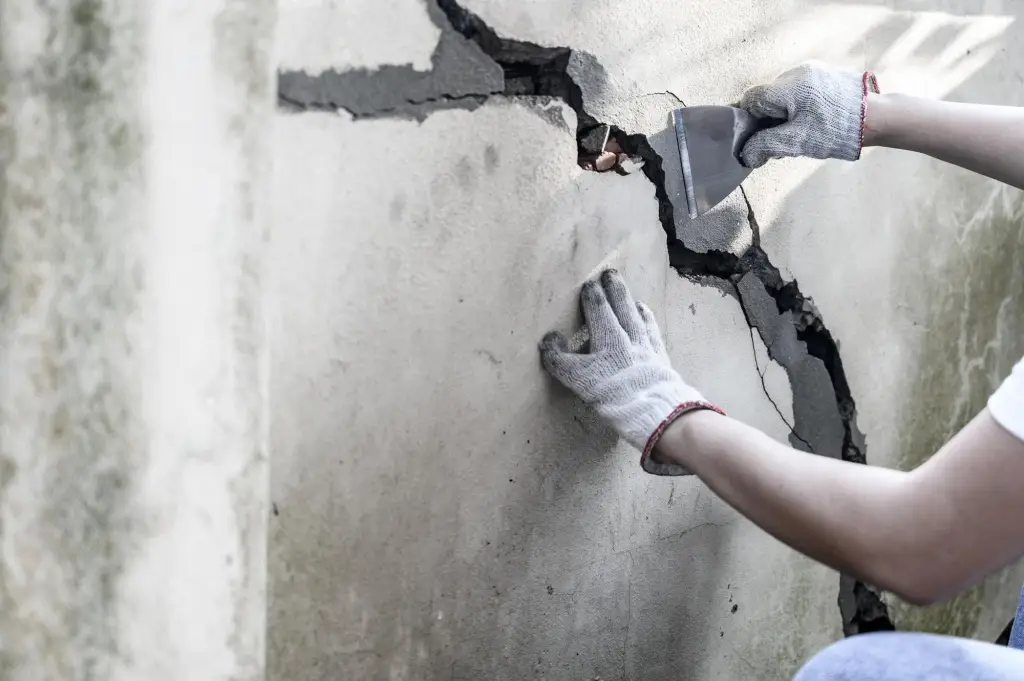
Homeowners often overlook the slope of land around their property until water damage appears. The ground surrounding your home serves as the first line of defense against moisture infiltration. When soil slopes away from your foundation at the correct angle, rainwater and snowmelt flow away from your home instead of pooling against basement walls.
The Connection Between Soil Slope & Water Damage
Water follows the path of least resistance. If your yard slopes toward your house, every rainstorm sends gallons of water directly against your foundation walls. This constant exposure creates hydrostatic pressure, forcing moisture through even small cracks in concrete or masonry.
Over time, this pressure widens existing cracks and creates new ones. The freeze-thaw cycle in colder climates makes the problem worse. Water seeps into tiny fissures, freezes, expands, and creates larger gaps. Each winter season compounds the damage from the previous one.
Basement walls face enormous pressure from saturated soil. When water cannot drain away from your foundation, it saturates the ground around your basement. This waterlogged soil weighs significantly more than dry soil, creating lateral pressure against foundation walls. This pressure can cause walls to bow inward or crack vertically.
The Minimum Slope Requirements for Drainage
Building codes typically require a minimum slope of 6 inches over the first 10 feet extending from your foundation. This translates to a 5 percent grade. Some soil types and climates may require steeper slopes for adequate drainage.
The slope should extend in all directions from your home. Many homeowners make the mistake of grading only the front or back yard while neglecting side yards. Water will find any low point around your foundation, so complete perimeter grading is necessary.
Clay soils require particular attention. Clay drains slowly and retains water longer than sandy or loamy soils. Properties with clay-heavy soil often need steeper grades or additional drainage solutions to keep foundations dry.
Signs Your Home Needs Grading Work
Several indicators suggest improper grading around your home. Standing water near your foundation after rain is the most obvious sign. If puddles remain for more than 24 hours after a storm, your yard lacks adequate slope.
Interior signs include damp basement walls, musty odors, efflorescence (white mineral deposits on concrete), and visible cracks in foundation walls. Peeling paint or wallpaper in basement areas also indicates moisture problems.
Outside your home, check for soil erosion near the foundation. If you notice exposed foundation walls or gaps between the soil and your foundation, water has likely washed away supporting soil. Cracks in exterior foundation walls or separating between the foundation and brick veneer require immediate attention.
How Grading Work Protects Your Investment
Proper grading redirects water away from your home before it can cause damage. The process involves adding or removing soil to create the correct slope. Contractors typically use clay-based fill soil near foundations because it compacts well and resists water infiltration better than sandy soil.
The work extends beyond simply piling dirt against your foundation. Proper technique requires compacting soil in layers to prevent settling. Loose, uncompacted fill will settle over time, eliminating the slope you paid to create.
Many grading projects incorporate swales or berms to channel water away from the property. A swale is a shallow depression that guides water toward a drainage area. Berms are raised areas that redirect water flow. These features work with the overall slope to manage large volumes of water during heavy storms.
The Foundation Protection Timeline
Correcting grading issues provides immediate benefits. After proper grading, the next rainstorm will demonstrate the difference as water flows away from your foundation instead of pooling against it. This immediate change in drainage patterns stops ongoing water damage.
Long-term protection develops over months and years. As the soil around your foundation dries out, hydrostatic pressure decreases. Existing cracks stop growing. While grading cannot repair cracks that already exist, it prevents new damage and stops existing problems from worsening.
Foundation repairs cost significantly more than grading work. A typical residential grading project costs a few thousand dollars. Foundation repairs, depending on severity, can cost tens of thousands of dollars. The return on investment for preventive grading work is substantial.
Beyond Basic Slope Management
Grading work often reveals other drainage issues. Many properties benefit from additional systems working alongside proper slope. French drains, for example, collect water that would otherwise saturate soil near foundations. These perforated pipes carry water away from the building to a safe discharge point.
Downspout extensions play a role in foundation protection. Even with correct grading, downspouts that discharge water near the foundation undermine the grading work. Extensions should carry roof runoff at least 10 feet from the house, depositing it in areas where the slope directs it away from the property.
Gutters must function properly to support grading efforts. Clogged or damaged gutters allow water to overflow and pour directly onto the ground near foundations. Regular gutter maintenance ensures that roof water reaches downspouts and discharge points far from your home.
Maintenance After Grading
Newly graded areas require monitoring during the first year. Soil settles naturally, especially after heavy rains or freeze-thaw cycles. Some settling is normal, but significant depressions near the foundation indicate the need for additional fill.
Landscaping choices affect long-term drainage. Deep-rooted plants near foundations can disrupt grading over time. Ground covers and shallow-rooted plants work better for areas within 10 feet of your home. Mulch beds should slope away from foundations just like the surrounding soil.
Seasonal inspections help catch problems early. Walk around your foundation after major storms to observe water flow patterns. Make note of any areas where water pools or moves toward your home rather than away from it. Small adjustments made promptly prevent larger problems from developing.
The investment in proper residential grading protects one of your largest financial assets. Dry basements, stable foundations, and homes free from water damage all result from correct soil slopes around your property.