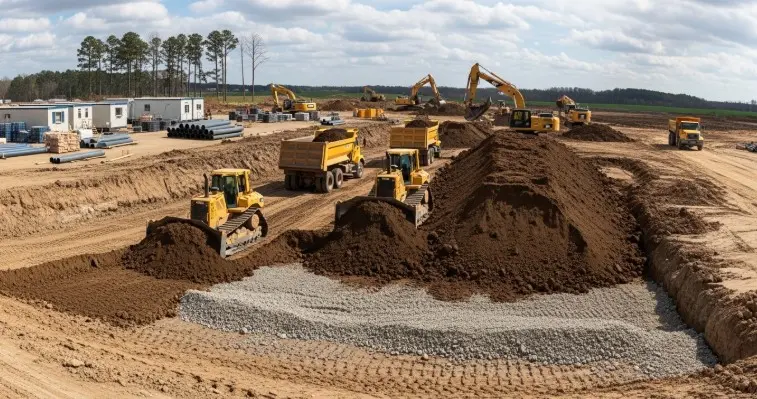
Introduction: Why Sitework Defines Every Successful Project
Every successful construction project, whether it’s a residential home, commercial plaza, or highway system, starts long before the foundation is poured. The real groundwork begins with site preparation, known as sitework. This phase determines whether a project will stand strong for decades or face costly structural issues later.
Understanding what is sitework in construction is essential because it directly affects drainage, stability, utility placement, and foundation performance. In fact, poor sitework is one of the most common causes of long-term settlement problems and structural inefficiencies.
This guide breaks down sitework in a practical, field-based way so contractors and engineers can apply it directly on real projects.
Short Answer: What Is Sitework in Construction?
Sitework in construction refers to all the activities required to prepare a piece of land before building construction begins.
This includes:
- Clearing vegetation and debris
- Excavation and grading
- Installing underground utilities
- Drainage preparation
- Soil compaction and stabilization
Sitework is essential for residential, commercial, industrial, and infrastructure projects because it ensures the land is structurally ready for safe and stable construction.
What Is Sitework in Construction and Why Is It Important?
What Is Sitework in Construction in Simple Terms?
In simple terms, sitework is everything done to turn raw land into a construction-ready site. It transforms uneven, natural ground into a stable, engineered surface suitable for building.
For example, before constructing a warehouse, the land must be cleared, leveled, compacted, and equipped with proper drainage systems. Without this preparation, even the strongest foundation may fail over time.
Sitework is often confused with earthwork and excavation:
- Sitework: Entire pre-construction preparation process
- Earthwork: Soil movement and shaping activities
- Excavation: Digging and soil removal only
Companies like Dirt Road Repairs highlight that proper sitework planning significantly reduces long-term maintenance and structural risks.
Key Objectives of Sitework Operations
Sitework serves multiple engineering purposes:
Preparing Stable Building Platforms
Ensures the ground can safely support structural loads.
Ensuring Drainage and Slope Control
Prevents water accumulation that can weaken foundations.
Installing Underground Utilities
Includes water lines, sewer systems, electrical conduits, and communication networks.
Soil Stabilization and Compaction
Increases density and eliminates voids to prevent settlement.
When Is Sitework Required in Construction Projects?
Sitework is required at the earliest stage of nearly all construction projects:
- Before foundation construction begins
- During land development for residential or commercial use
- In road, bridge, and infrastructure projects
- During industrial site preparation
It is the first physical transformation of raw land into a usable construction platform.
Types of Sitework in Construction
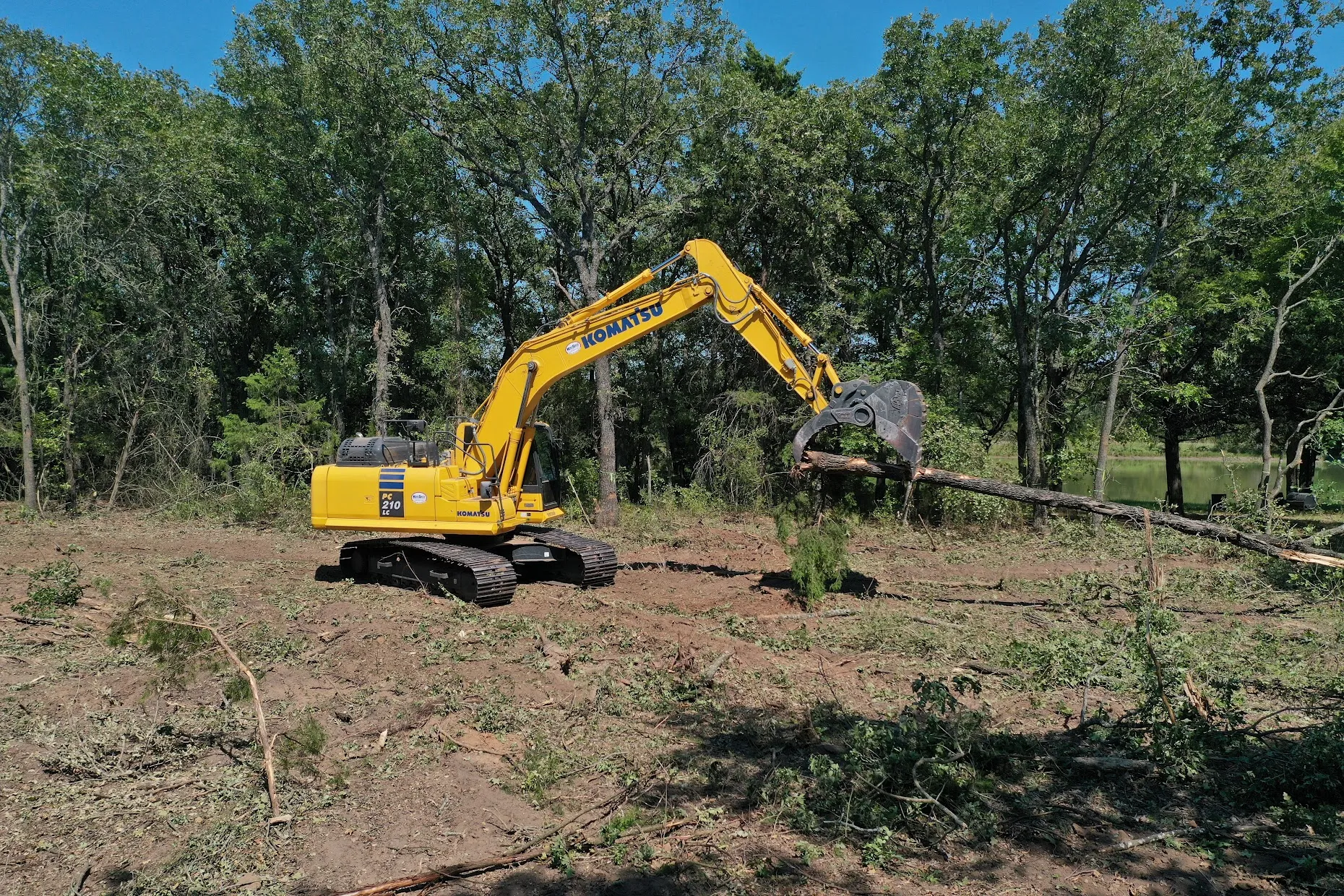
Land Clearing and Grubbing
- Removal of trees, vegetation, and debris
- Provides clean access for machinery
- Prepares site for surveying and grading
Excavation and Earthmoving
- Digging for foundations, basements, and utilities
- Cut-and-fill operations to reshape terrain
- Bulk soil relocation
Grading and Leveling
- Adjusting elevations for proper slope
- Ensuring surface uniformity
- Supporting drainage design
Utility Installation
- Water supply pipelines
- Sewer systems and drainage lines
- Electrical and communication conduits
Site Drainage and Stormwater Management
- Prevents flooding and soil erosion
- Installation of drainage pipes and retention systems
- Controls water flow across the site
Soil Compaction and Stabilization
- Improves soil strength
- Prevents settlement under structural loads
- Ensures long-term foundation stability
Materials and Components Used in Sitework Construction
Sitework depends on carefully selected materials:
- Natural soil (cut and fill material)
- Gravel and crushed stone for base layers
- Sand for bedding and leveling
- Geotextiles for soil stabilization
- Concrete for utility structures and pads
- PVC and HDPE pipes for underground systems
Each material plays a specific role in achieving structural balance and durability.
How Sitework in Construction Is Performed
Step 1: Site Survey and Engineering Analysis
- Conduct topographic mapping
- Perform soil testing and geotechnical analysis
- Identify elevation changes and drainage patterns
Step 2: Clearing and Demolition (If Required)
- Remove vegetation, debris, and existing structures
- Prepare access routes for heavy equipment
- Establish safe working zones
Step 3: Excavation and Rough Grading
- Remove bulk soil and reshape terrain
- Establish preliminary site contours
- Prepare for utility and foundation layout
Step 4: Utility Installation
- Install underground pipelines and conduits
- Ensure correct slope and alignment
- Coordinate multiple utility systems
Step 5: Fine Grading and Compaction
- Achieve precise elevation levels
- Compact soil in layers for maximum density
- Prepare base for structural construction
Step 6: Final Inspection and Site Preparation
- Verify grading accuracy
- Test drainage performance
- Approve site for structural construction phase
Equipment and Machinery Used in Sitework
- Excavators for digging and material handling
- Bulldozers for clearing and pushing soil
- Motor graders for precision leveling
- Dump trucks for material transport
- Rollers and compactors for soil stabilization
- Trenchers for utility installation
Each machine plays a critical role in efficiency and accuracy.
Safety Standards and Best Practices in Sitework Construction
- Controlled site access and traffic management
- Safe handling of heavy machinery
- Continuous soil stability monitoring
- Dust and erosion control methods
- Verification of underground utilities before digging
- Proper trench and slope protection techniques
These practices ensure both worker safety and structural integrity.
Sitework Activities in Construction
| Activity | Purpose | Equipment Used | Cost Level | Complexity | Application |
|---|---|---|---|---|---|
| Clearing | Remove vegetation | Bulldozers, chainsaws | Low | Low | Site prep |
| Excavation | Soil removal | Excavators | Medium | High | Foundations |
| Grading | Leveling land | Graders | Medium | Medium | Drainage control |
| Utility Installation | Underground systems | Trenchers | High | High | Infrastructure |
| Compaction | Soil strengthening | Rollers | Medium | Medium | Base preparation |
Common Challenges in Sitework Projects
Unstable or Weak Soil Conditions
Poor soil quality can lead to settlement and structural instability.
Water Drainage and Groundwater Issues
Excess water weakens soil and delays construction progress.
Utility Conflicts and Underground Obstacles
Existing pipes or cables can interfere with excavation work.
Weather and Environmental Delays
Rain, frost, and seasonal changes can significantly impact timelines.
Cost Factors in Sitework Construction Projects
- Size and complexity of the land
- Soil conditions and excavation difficulty
- Equipment rental and fuel consumption
- Labor and operator expertise
- Scope of utility installation
- Site accessibility and logistics
Sub-Questions People Also Ask About Sitework
What is the difference between sitework and earthwork?
Sitework includes all pre-construction activities, while earthwork focuses only on soil movement.
What are examples of sitework in construction?
Clearing, grading, excavation, utility installation, and compaction.
How is sitework different from excavation?
Excavation is just one part of sitework involving soil removal.
Why is sitework important before building construction?
It ensures stability, drainage, and proper foundation support.
Best Practices for Efficient Sitework in Construction
- Conduct detailed site surveys before starting
- Follow engineered grading and drainage plans
- Use appropriate machinery for each task
- Maintain strict soil compaction standards
- Coordinate utilities carefully to avoid conflicts
- Implement erosion and sediment control measures
FAQs About What Is Sitework in Construction
What is sitework in construction used for?
It prepares land for safe and stable building construction.
What are the main components of sitework?
Clearing, excavation, grading, utilities, drainage, and compaction.
How long does sitework take in construction projects?
It depends on site size, soil conditions, and project complexity.
What equipment is used for sitework?
Excavators, graders, bulldozers, rollers, and trenchers.
Is sitework the same as excavation?
No, excavation is only one part of sitework.
What comes first, sitework or foundation?
Sitework always comes first.
What are common mistakes in sitework?
Poor grading, improper compaction, and drainage neglect.
Can sitework be done without heavy machinery?
Only for very small-scale projects; most require machinery.
Conclusion: Why Sitework in Construction Is the Foundation of Every Project
Sitework is the invisible backbone of every successful construction project. It ensures that the land is properly prepared, stabilized, and engineered before any structural work begins.
From clearing and grading to utilities and compaction, every step plays a crucial role in long-term durability and performance. Poor sitework leads to structural issues, while well-executed sitework guarantees stability and efficiency.
Final takeaway:
Invest in precise planning, skilled execution, and proper equipment. Strong sitework creates strong foundations, and strong foundations create successful projects that last for decades.