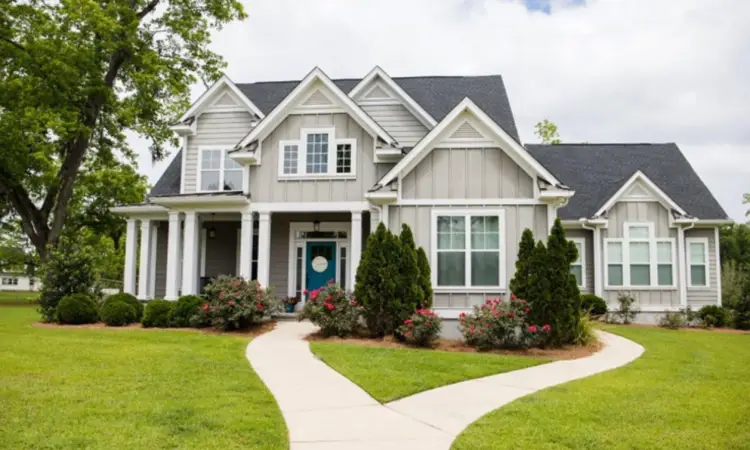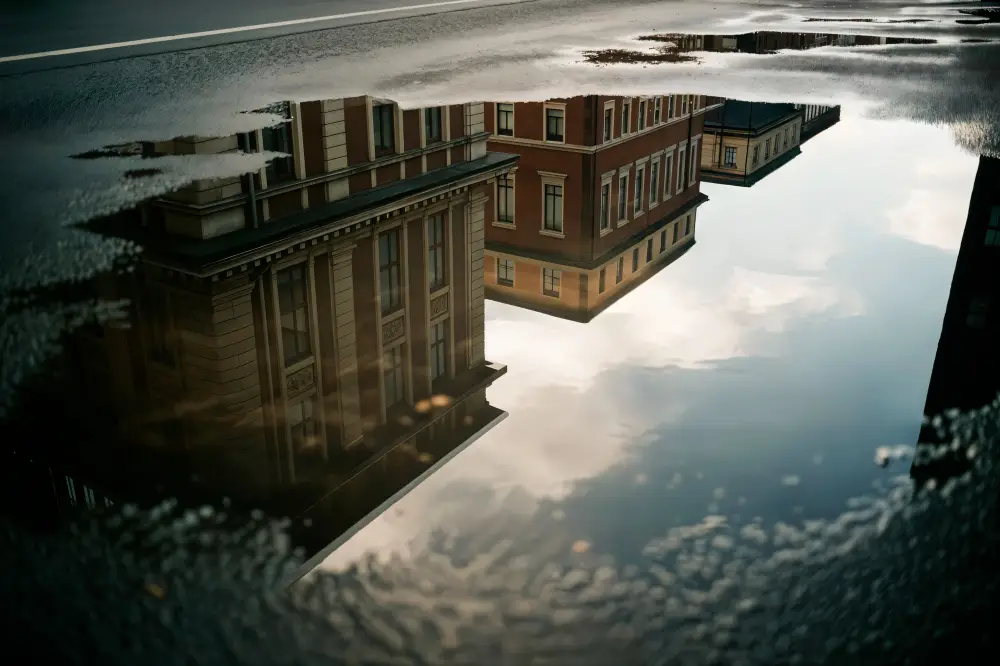
Standing water on a property isn’t just an eyesore. It signals to buyers, appraisers, and neighbors that something is wrong with how water is being managed on that land. And when water isn’t managed well, it affects more than appearances. It affects the actual value of the land and everything on it.
Advanced drainage is how that problem gets corrected. But before getting into solutions, it helps to know exactly how standing water causes damage, and why those problems show up in the numbers.
What Standing Water Does to a Property Over Time
Water that sits on a property for hours or days after rain isn’t just inconvenient. It’s doing damage the entire time it’s there.
Soil Saturation & Ground Instability
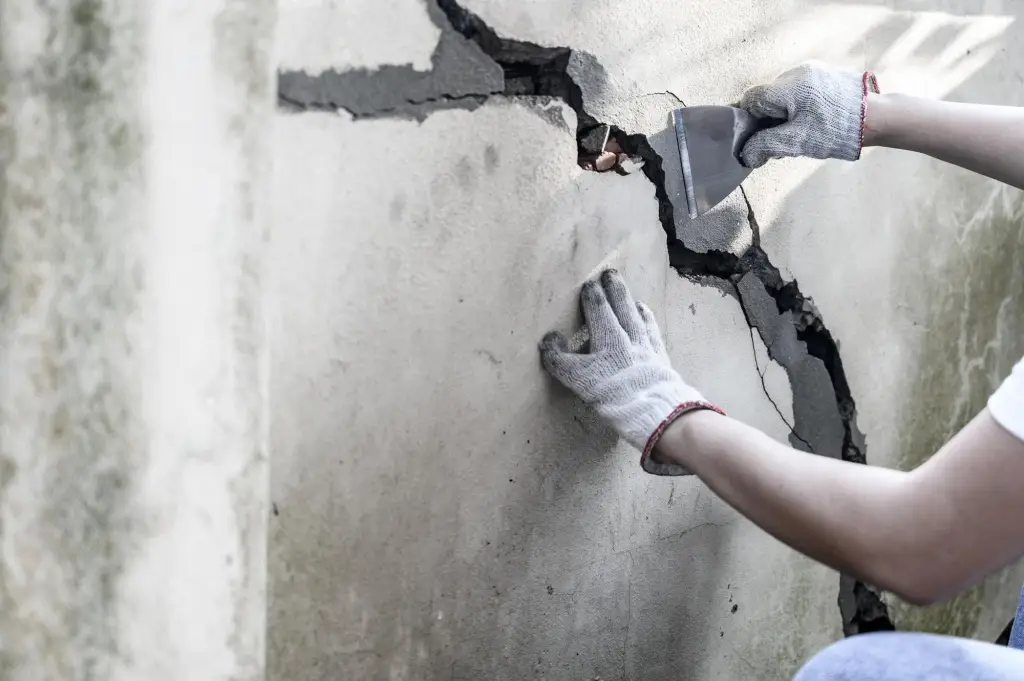
When soil stays saturated, it loses its load-bearing capacity. That matters for driveways, outbuildings, retaining walls, and the foundation of any structure on the property. Soft, wet ground shifts and settles in ways that dry, stable ground doesn’t. Over time, that movement shows up as cracks, sunken surfaces, and structural issues that cost money to repair.
Vegetation & Ground Cover Loss
Standing water kills grass and plants that aren’t built for wet conditions. Once vegetation is gone, the soil beneath it is exposed to erosion. The problem builds on itself, water kills the plants, the bare soil erodes, and the drainage problem gets worse. From a curb appeal standpoint, a yard with dead patches and bare mud doesn’t make a good impression on anyone looking at the property.
Driveway & Road Surface Damage
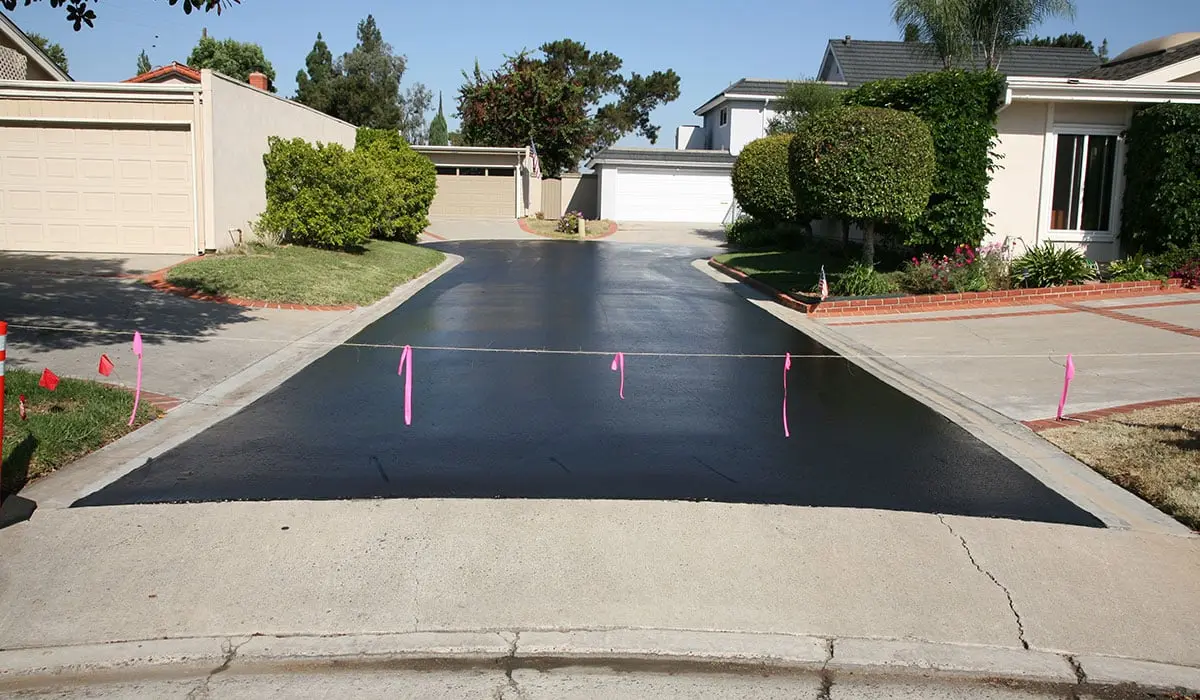
Water that pools on or near a driveway speeds up surface deterioration. Gravel shifts. Dirt roads develop ruts. Paved surfaces crack as the base material softens beneath them. The same applies to access roads on rural properties. A road that floods consistently costs more to maintain and is harder to use after every storm.
How Appraisers & Buyers See It
Appraisers are trained to identify drainage problems. They look for water intrusion in basements and crawl spaces, erosion on slopes, staining on foundation walls, and low spots where water collects. Any of these can pull down an appraised value, sometimes by more than the cost of fixing the drainage issue itself.
Buyers, especially those who’ve dealt with drainage problems before, are even more cautious. A yard that shows signs of standing water creates doubt. Even if the property is otherwise in good condition, drainage issues make buyers wonder what else might be wrong. That doubt leads to lower offers, more contingencies, and deals that fall through at inspection.
Rural & Agricultural Properties
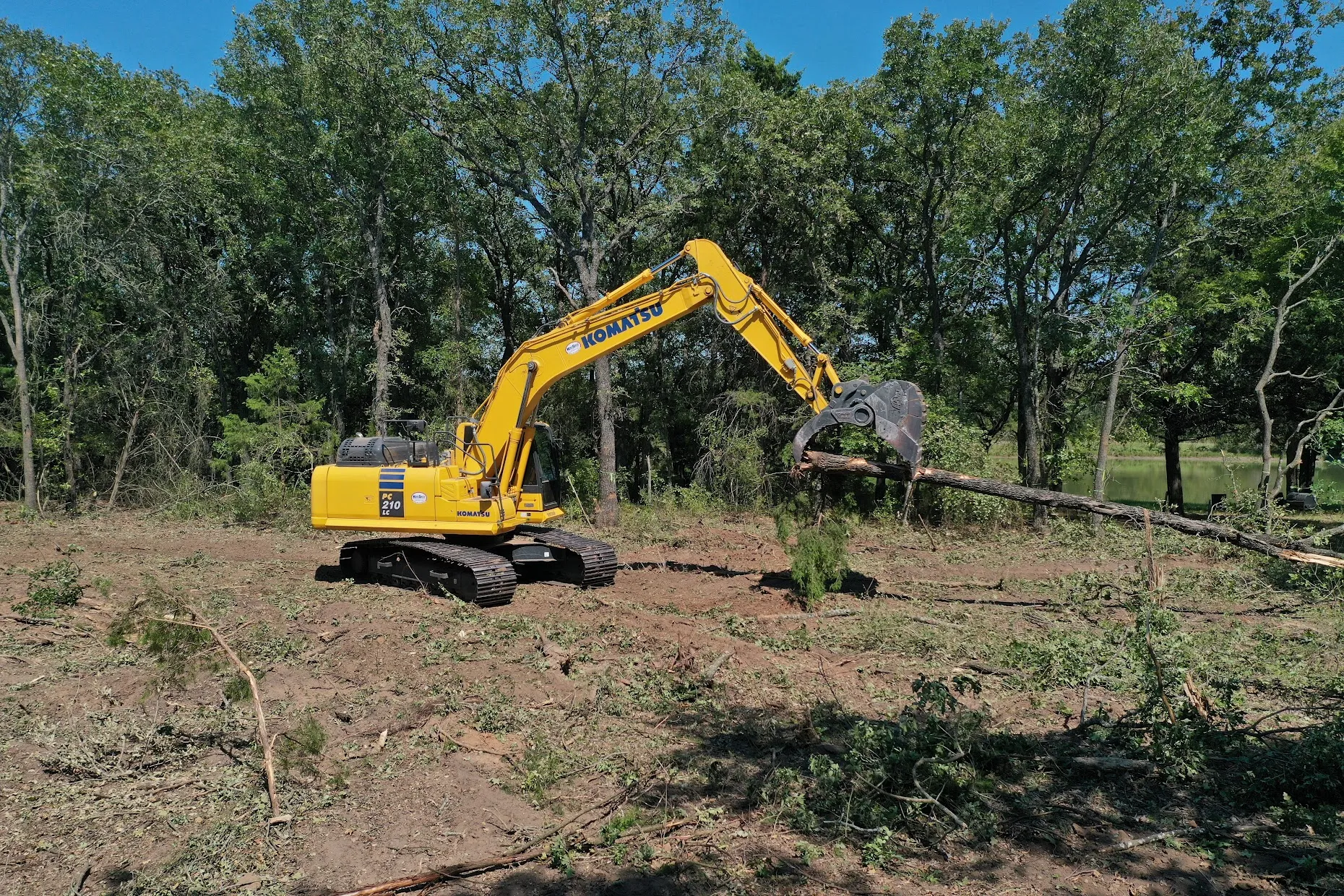
For rural properties, drainage has a direct effect on how much of the land is actually usable. Wet, boggy areas can’t be farmed, built on, or accessed with equipment. A property with standing water across portions of its acreage is worth less per acre than one where the land drains properly. This holds true for residential rural properties and for working farms or timber tracts alike. Land that sits wet isn’t land that’s working for the owner.
Advanced Drainage Solutions That Address the Root Problem
Fixing standing water means getting to what’s actually causing it. Surface water and subsurface water behave differently and call for different approaches.
French Drains
A French drain is a trench filled with gravel and a perforated pipe that collects water from the surrounding soil and carries it to a discharge point away from the problem area. It works well for areas where water is seeping in from higher ground or rising from below. A properly installed French drain moves water continuously, not just during or right after a storm.
Surface Drainage & Regrading
Sometimes the issue is topographic. Low spots collect water because the land around them slopes toward them rather than away. Regrading reshapes the ground so water moves toward a defined outlet instead of pooling in an unintended area. This is one of the more direct solutions for standing water on driveways, yards, and access roads where the grade is working against drainage.
Culvert Pipe Installation
On properties with roads or driveways that cross natural water channels, culverts allow water to pass under the road rather than backing up and spreading across it. Without a culvert, or with one that’s blocked or undersized, water has nowhere to go and floods the road surface. Properly sized and installed culverts keep water moving through the property without interrupting road access.
Dry Creek Beds
A dry creek bed is a channel lined with stone that moves water during rain events and sits dry the rest of the time. It’s a functional drainage solution that also looks intentional rather than like a remediation project. On properties where erosion is running alongside the drainage problem, dry creek beds handle both issues at once without heavy infrastructure.
The Cost of Doing Nothing
Drainage problems don’t stay the same size. A small low spot that collects water grows over time as erosion widens it and the surrounding soil degrades. A blocked culvert that causes occasional flooding eventually causes road failure. Foundation moisture that starts as surface staining becomes a structural issue.
The longer standing water goes unaddressed, the more it costs to fix and the more value it takes from the property in the meantime. Advanced drainage work pays for itself, both in avoided repair costs and in the value it protects or restores over time.
Water is going to move somewhere on any piece of land. The goal is to make sure it moves where it’s supposed to go, not where it causes the most damage.