When it comes to clearing brush from your property in Georgia, timing matters more than most people realize. The season you choose affects how long the job takes, what it costs, and how well the results hold up. Here’s what you need to know about scheduling brush clearing work at different times of year.
Winter Brush Clearing
Why Winter Works Well
Winter is the time of year when most vegetation has gone dormant. Leaves are off the trees, vines have died back, and the undergrowth has thinned out. This makes it easier to see what you’re working with. You can spot property lines, find old fencing, and identify trees you want to keep much more easily when everything isn’t covered in green.
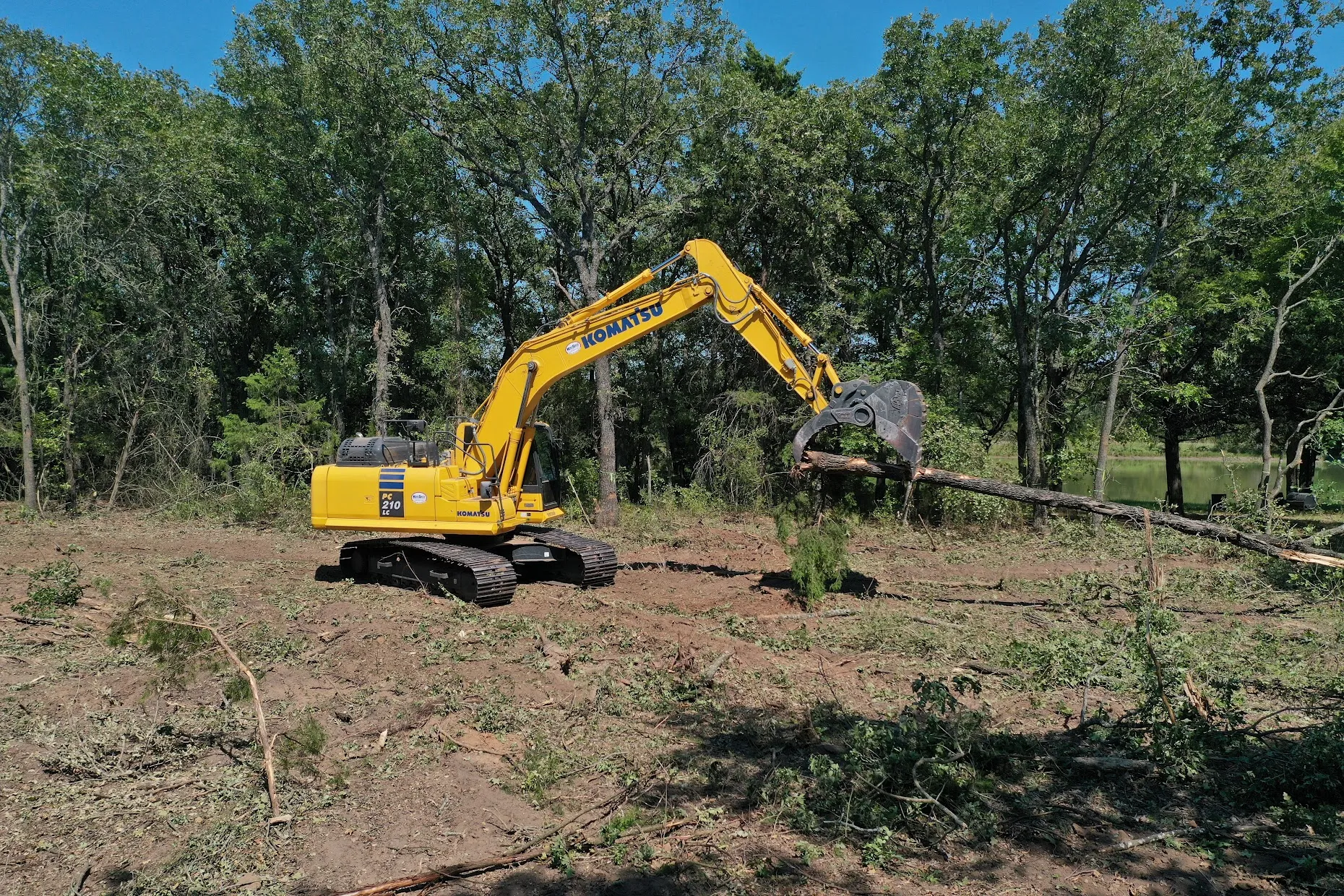
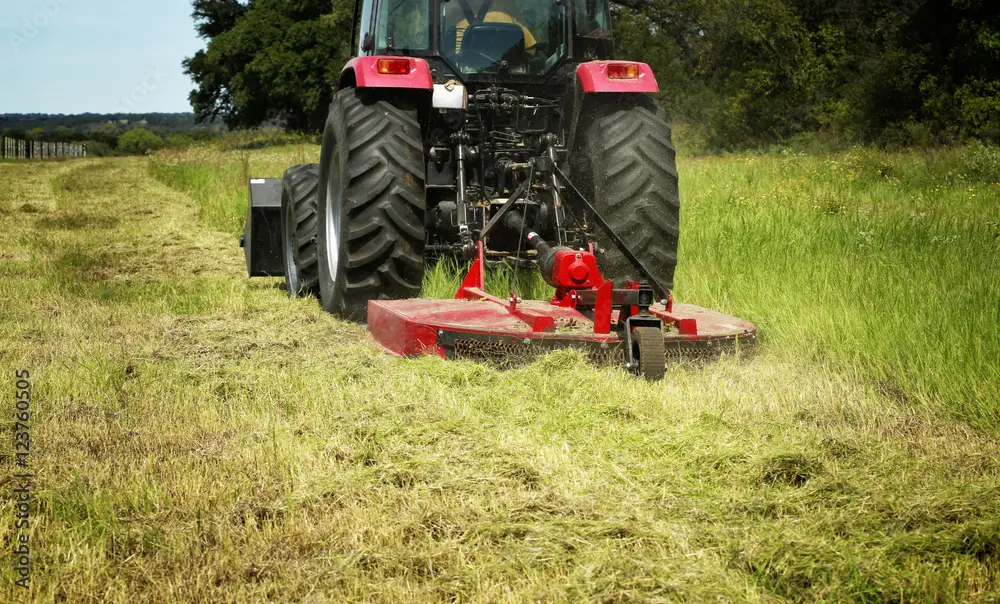
The ground conditions in winter can be better for heavy equipment too. When we get a dry spell, the soil firms up and can handle the weight of tractors and brush hogs without rutting up your yard. There’s also less concern about heat stress on operators, which means longer workdays and faster project completion.
Another benefit is that dormant plants don’t grow back as aggressively after being cut. When you clear brush in winter, it takes longer for regrowth to become a problem. You get more time before you need to think about maintenance clearing again.
Winter Challenges
The main challenge with winter clearing in North Georgia is the weather. We can get stretches of rain that turn clay soil into a muddy mess. When that happens, equipment can’t get onto the property without causing damage. Projects sometimes get pushed back waiting for the ground to dry out.
Shorter daylight hours also limit how much can get done in a single day. A job that takes one day in summer might stretch to two in December just because of the earlier sunset.
Summer Brush Clearing
Why Summer Has Its Place
Summer clearing lets you see the full extent of what needs to go. That wall of privet hedge or kudzu patch shows itself in all its glory when it’s actively growing. You know exactly what you’re dealing with and can make decisions about what to remove and what to leave based on how things actually look at their peak.
Longer days mean more working hours. Crews can start early and work until evening, getting more done in a single visit. For property owners who are anxious to get a project finished, summer scheduling can be appealing.
The ground is usually dry and stable during summer months in Georgia, at least until the afternoon thunderstorms roll through. This makes for good working conditions early in the day.
Summer Challenges
Heat is the big one. Georgia summers are hard on both equipment and the people running it. Tractors and brush hogs work harder when it’s hot, and operators need more breaks. This can slow down a project and sometimes adds to labor costs.
The vegetation itself puts up more of a fight in summer. Plants are actively growing and full of moisture, which makes them harder to cut. Brush hog blades dull faster, and everything takes more fuel and time. That thick summer growth also bounces back quickly after being cut. You might need a follow-up clearing sooner than you would after a winter job.
Wildlife is more active in summer too. Snakes, wasps, and ticks are all out in force. This isn’t a dealbreaker, but it’s something to be aware of if you’re planning to be on site during the work.
Cost Differences Between Seasons
In general, winter clearing tends to cost a bit less than summer work. The dormant vegetation is easier to cut through, which means less time on site and less wear on equipment. A field that takes eight hours to clear in July might only take six in January.
For brush hogging, expect to pay between $50 and $100 per hour in Georgia, depending on the conditions and the contractor. Per-acre rates typically run $75 to $200 for light to moderate brush. Heavy vegetation with small trees can push that up to $300 or more per acre.
Winter rates are often at the lower end of those ranges because the work goes faster. Summer rates may be higher due to the additional labor and equipment strain involved.
Scheduling also affects pricing. Summer is a busy season for contractors who do land clearing. Winter tends to be slower, which means more availability and sometimes better rates for customers willing to book during the off-peak months.
Making the Right Choice for Your Property
The best time to clear brush depends on what you’re trying to accomplish. If you’re prepping land for construction or planting, winter clearing gives you a clean slate heading into spring. If you’re trying to get a handle on overgrown pasture or fields, summer lets you see the full scope of the problem before you start.
For properties in the Dahlonega and Lumpkin County area, late fall through early spring often offers the best combination of conditions and pricing. The ground has firmed up after summer rains, the vegetation has died back, and contractors have more availability in their schedules.
If you’ve been putting off clearing work because you weren’t sure when to do it, stop waiting. Getting an estimate is free, and a contractor who knows your area can tell you what time of year makes the most sense for your particular situation. Your property won’t clear itself, but with the right timing, the job will go smoother and cost less than you might expect.