When Your Driveway Becomes a Creek
Does every heavy rain turn your driveway into a river? Do you have a wet, mushy spot in the yard that never seems to dry out, no matter how much sun it gets?It is the most common frustration for rural homeowners in Georgia. You watch helplessly as storms wash away your expensive gravel, creating ruts and destroying the edge of your road.The common misconception is that digging a random ditch is the solution. It isn’t.You aren’t fighting puddles; you are fighting physics. The key question isn’t how much water you have it’s where that water is coming from. Until you answer that, no amount of gravel or digging will fix the problem.In this guide, we break down the two most effective subsurface drainage systems French Drains and Curtain Drains and help you decide which one you need to save your property.
How Water Actually Destroys Driveways & Yards
Before we talk about pipes, we have to talk about soil. Every drainage failure starts with a misunderstanding of how water moves through the ground.In rural Georgia, we deal with two types of water attacks:
- Surface Runoff (The Speed Demon): Rainwater that flows downhill over the top of the ground. It gains speed and power, ripping away gravel and soil. This causes washouts.
- Subsurface Groundwater (The Silent Killer): Water that moves through the soil or rises up from below. Since our red clay is dense and doesn’t absorb well, this water gets trapped, turning solid ground into soup. This causes mud pumping.
Why this matters:
- If you have fast-moving water hitting your driveway, you need to intercept it.
- If you have rising water soaking your yard, you need to drain it.
Using the wrong system for the wrong water type is why most DIY drainage projects fail
The Core Difference (Function > Depth)
Most articles will tell you the difference is just “depth.” That’s only half true. At Dirt Road Repairs, we define them by Function.Think of it this way:
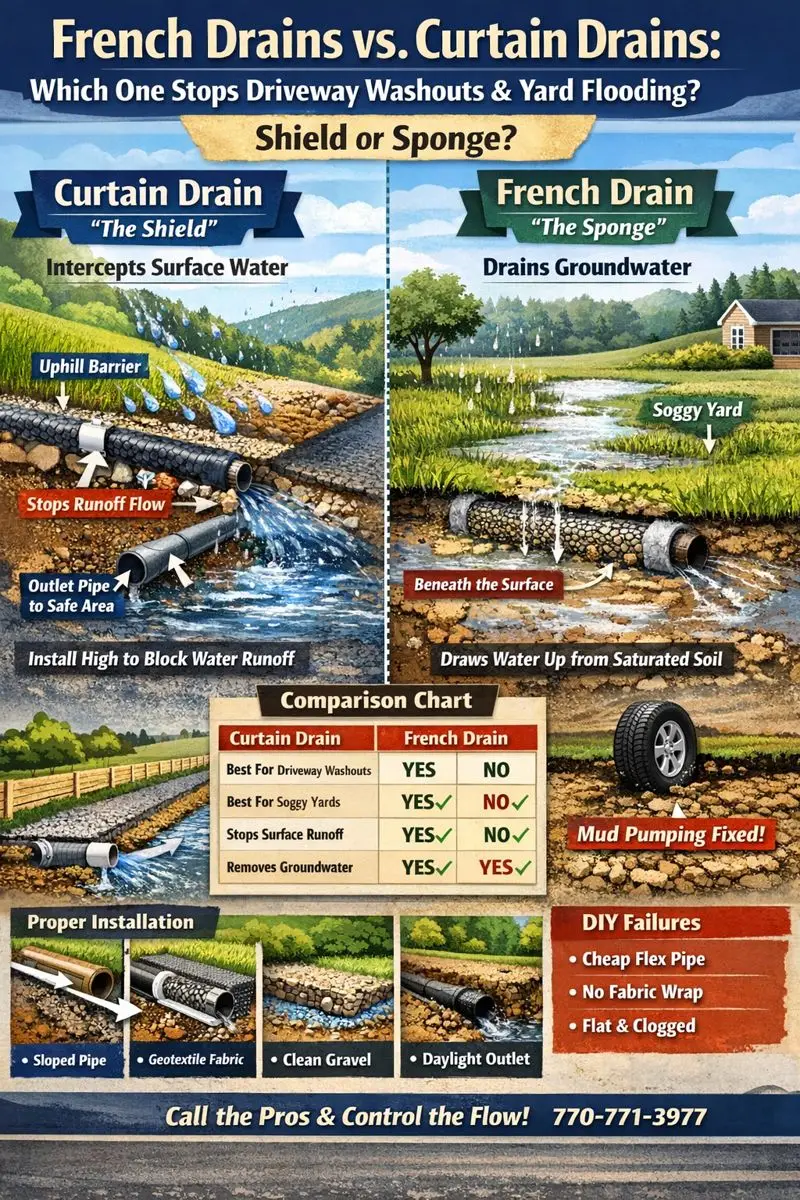
- The Curtain Drain is a SHIELD.
- The French Drain is a SPONGE.
The Golden Rule:One stops water before it causes damage (The Shield). The other removes water after it has already saturated the ground (The Sponge).
Deep Dive: Curtain Drains (The First Line of Defense)
Best For: Stopping erosion, driveway washouts, and downhill water flow.A Curtain Drain is designed to be an Interceptor. It is installed horizontally across a slope, directly
uphill from the area you want to protect (like your driveway or house foundation).How It Works:Imagine a gutter on your roof catching rain. A curtain drain is a gutter in the ground. As water flows down the hill, it hits the gravel trench, drops into the perforated pipe, and is carried away safely to a lower point.Why Rural Homes Need It:If you have a long gravel driveway cut into a hillside, water will naturally flow across it, washing your stone into the ditch. A curtain drain intercepts that water before it ever touches your gravel.Critical Note: A curtain drain fails if installed too low. It must be placed to catch the water, not chase it.
Deep Dive: French Drains (Drying the Ground Itself)
Best For: Constantly wet yards, soft sub-bases, and “Mud Pumping” areas.A French Drain is a Collector. It is installed directly in the middle of the wet, soggy area. It is typically buried deeper than a curtain drain because its goal is to lower the water table.How It Works:It acts like a giant sponge buried in the earth. It creates a path of least resistance for trapped water. Instead of sitting in the clay, the water flows into the clean stone and pipe, allowing the surrounding ground to dry out.The Mud Pumping Connection:If your driveway has a soft spot where the rock always sinks, it’s because the sub-base is wet. A French Drain dries out that clay layer, allowing your gravel (and Geotextile Fabric) to regain its structural strength.
Comparison Table: Which Do You Need?
| Feature | Curtain Drain (The Shield) | French Drain (The Sponge) |
| Primary Goal | Intercept moving water | Absorb standing water |
| Location | Uphill from the problem area | Directly in the wet spot |
| Fixes Driveway Washouts | ✅ YES (Prevents them) | ❌ NO (Too late) |
| Fixes Soggy / Mushy Ground | ❌ NO | ✅ YES (Dries it out) |
| Stops Incoming Flow | ✅ YES | ❌ NO |
| Removes Trapped Water | ❌ NO | ✅ YES |
When One Drain Is NOT Enough
Sometimes, you are fighting a two-front war.The Scenario: You have a hillside driveway (runoff) that also has a natural spring underneath it (groundwater).
- If you only install a Curtain Drain, the surface water stops, but the road stays mushy from below.
- If you only install a French Drain, the road dries out, but the next storm washes the top gravel away.
The Solution: You need a Combo System. We install a Curtain Drain to shield the road from the hill, and a French Drain system to manage the water table. Most failed drainage jobs happen because only half the problem was addressed.
Anatomy of a Proper Drain Installation
A drain is only as good as its installation. Throwing a pipe in a ditch is not drainage; it’s a waste of money. Here is the Dirt Road Repairs standard:
- Proper Grade: Gravity is the engine. The pipe must slope downhill at least 1/8 inch per foot. If it’s flat, water sits inside and breeds mosquitoes.
- Clean Stone: We use washed #57 Stone, never dirty fill dirt. Dirt clogs the system; clean stone lets it breathe.
- The Burrito Wrap: We line the entire trench with Geotextile Fabric before adding stone. This prevents soil from mixing with the gravel and clogging the pipe.
- Daylight Outlet: You collected the water, now where does it go? We ensure the system daylights (exits) into a safe creek or woods never just dead-ending underground.
Remember: A drain without a slope or an outlet is just an underground bathtub.
Why DIY & Cheap Drain Kits Fail
Why Most Store Bought Kits Don’t Work:Big box stores sell flex pipe kits that promise an easy fix. They fail for three reasons:
- No Fabric: Fine sand enters the pipe slots and clogs it within a year.
- No Gravel Envelope: Without a heavy layer of stone around the pipe, water cannot find its way in fast enough during a heavy Georgia storm.
- Slope Errors: Without a laser level or transit, it is nearly impossible to get the perfect downhill flow by eye.
When Drains Are NOT the Right Solution
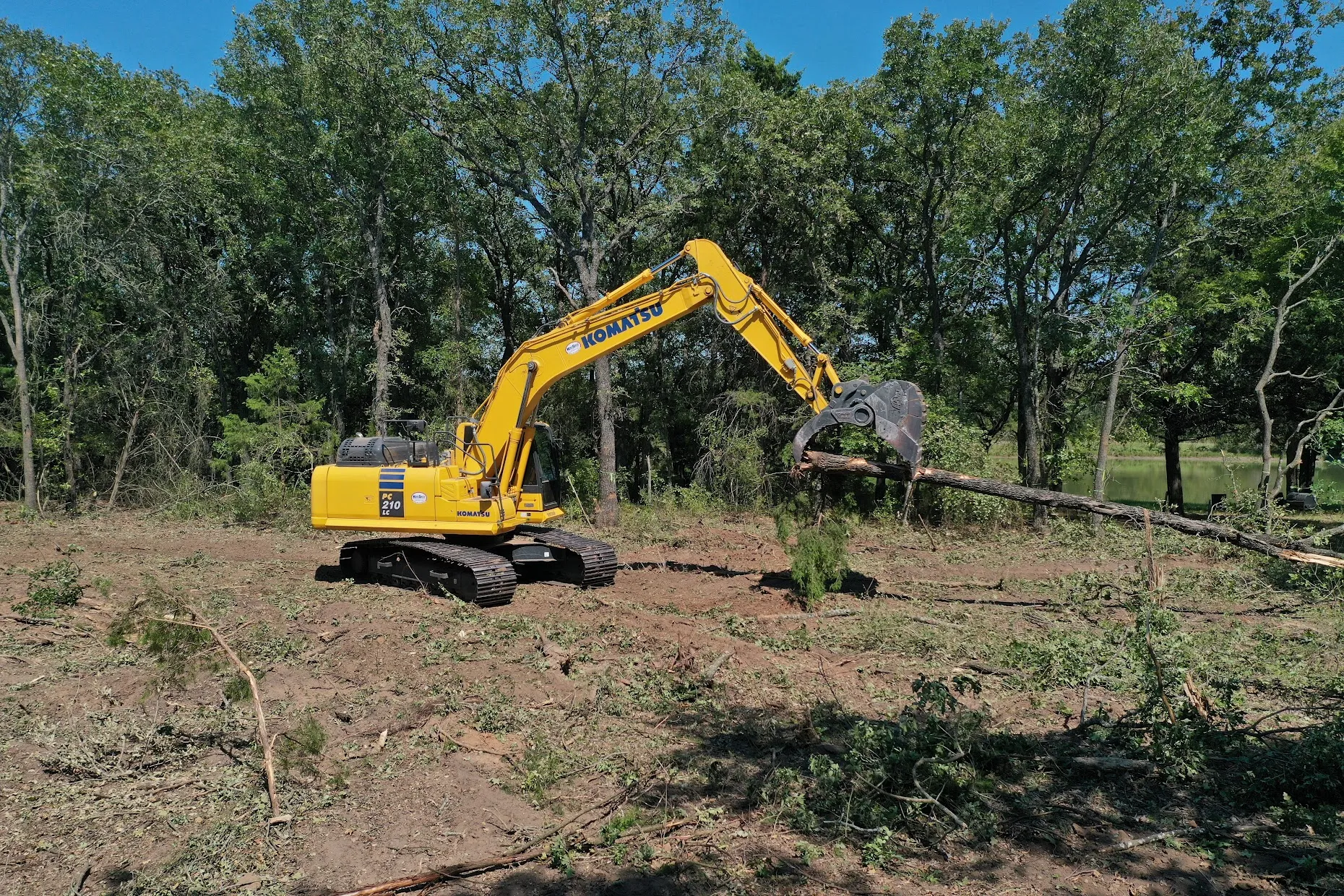
We believe in honesty. Sometimes, you don’t need a pipe; you need a bulldozer.- If grading is wrong: If your land slopes toward your house, a drain is a band aid. You need Grading Services to reshape the land first.
- If there is no outlet: If your property sits in a bowl with no lower ground to send the water to, a gravity drain won’t work.
Rule of Thumb: Drainage systems support proper grading they do not replace it.
Long Term Cost Reality (ROI)
Is professional drainage expensive? Yes. Is it more expensive than rebuilding your driveway every year? No.The Cost of Doing Nothing:
- Replacing washed-out gravel every spring.
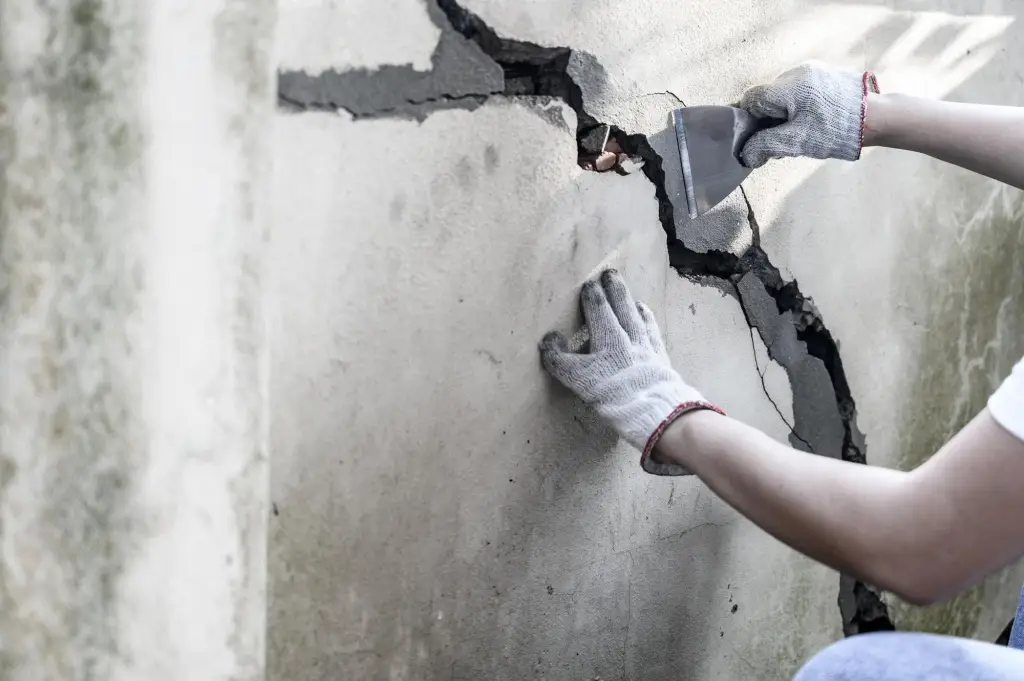
- Repairing foundation cracks from water pressure.
- Fixing deep ruts that destroy your vehicle’s suspension.
The ROI:A one-time investment in a Curtain or French Drain system protects your driveway and home for decades. It turns a recurring nightmare into a solved problem.
Control Water, Control Your Property
Water always wins unless it is managed. If you ignore it, it will eventually destroy your driveway, your yard, and your peace of mind. But if you control the flow, you protect your investment.Don’t guess. Don’t just dig a ditch. Install a system that works.Diagnosis, Not GuessworkNot sure whether you need a Shield, a Sponge, or both? We evaluate your land, soil, and slopes before recommending a solution.Contact Dirt Road Repairs Today📞 Call: 770-771-3977📅 Schedule Online:
https://dirtroadrepairs.com/contact-us/