A Driveway is a System, Not Just a Surface
Most homeowners look at a driveway and just see the top layer the black asphalt, the white concrete, or the gray stone. But at Dirt Road Repairs, we look at what’s underneath.
A driveway is a structural system. Like the foundation of a house, it requires proper preparation, drainage, and material selection to handle the weight of vehicles and the force of Georgia’s weather.
If you simply dump fresh rock onto a muddy, soft road without fixing the underlying issues, you aren’t repairing the road you are just burying the problem. In this guide, we will break down the technical differences between the most common materials and explain why the diagnosis of your land is the most critical step in the process.
Understanding the Materials: What Are You Actually Buying?
Before you decide, you need to know exactly what these materials are and how they function.
Crush N Run (The Structural Base)
You will often hear us recommend “Crush N Run” (also known as Crusher Run or GAB).
- What it is: It is a mixture of crushed stone and stone dust (known as “fines”).
- How it works: The magic lies in the dust. When Crush N Run is spread and compacted, the fines fill the empty spaces between the rocks. Once wet and compacted, it locks together to create a semi-hard, cement-like surface.
- Best Use: This is the essential base layer for any gravel driveway. It provides the stability that prevents your car from sinking into the mud.
#57 Stone (The Drainage Layer)
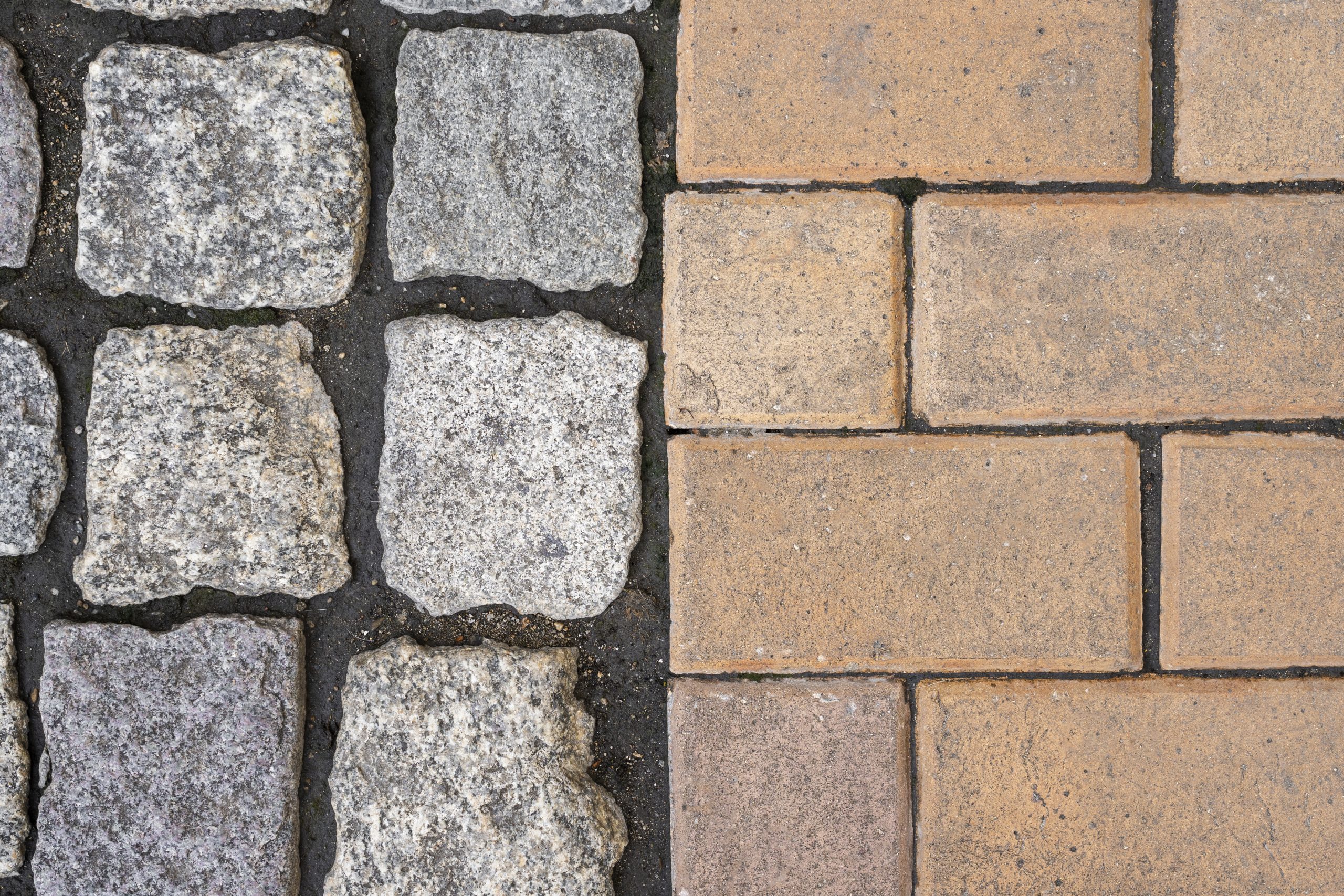
- What it is: Clean, washed crushed stone about the size of a golf ball. It has no dust.
- How it works: Because it has no dust, water flows straight through it. It does not compact as hard as Crush N Run, but it stays clean and reduces mud tracking.
- Best Use: This is excellent for top-dressing a driveway to make it look clean or for use in drainage projects like French Drains.
Asphalt & Concrete (The Paved Options)
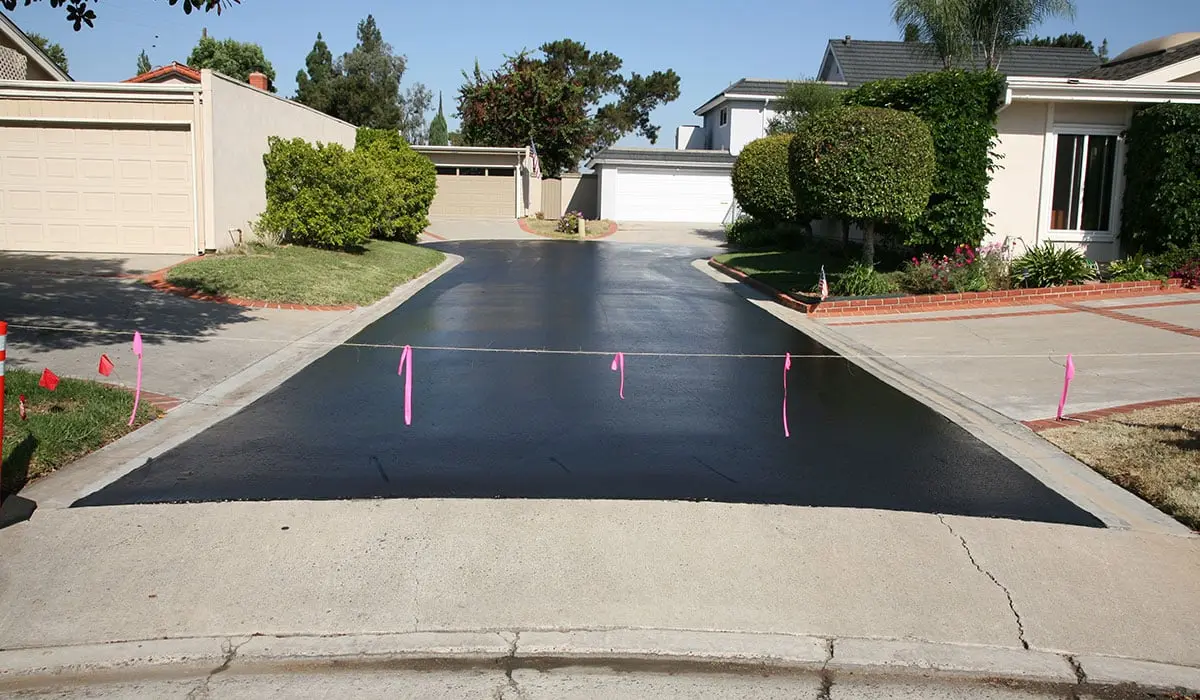
- Asphalt: A mix of aggregates bound together with bitumen (petroleum). It is laid hot and rolled smooth. It is flexible but requires chemical sealing to prevent drying out.
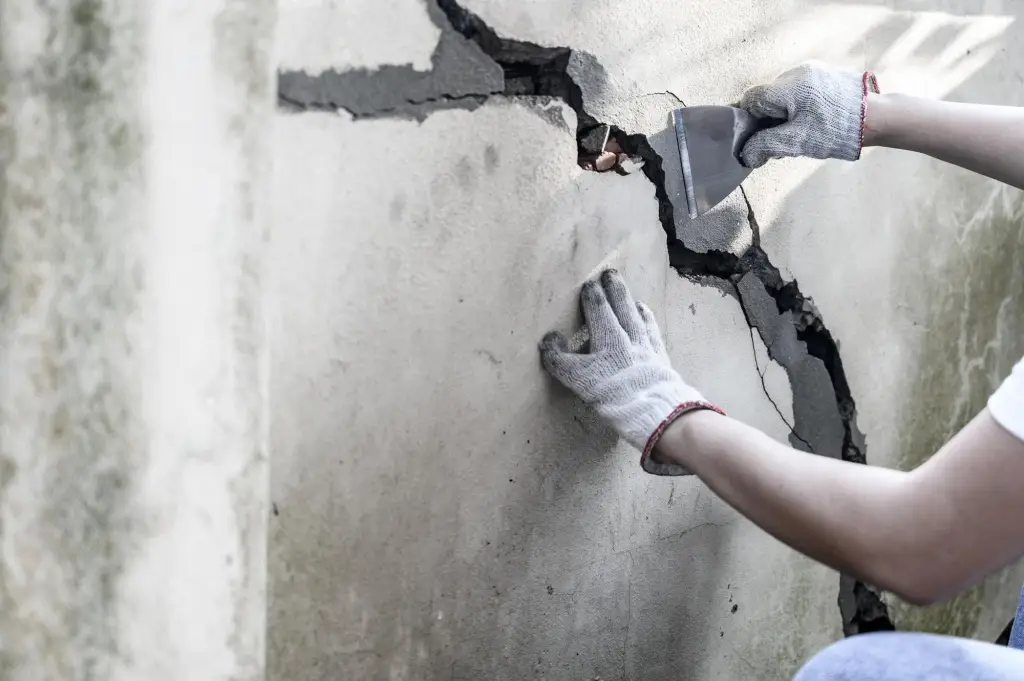
- Concrete: A mix of cement, water, and aggregate that cures into a rigid slab. It is poured wet and hardens chemically. While strong, it is brittle meaning if the ground below it shifts, the slab cracks.
The Base & Grading: Why Dumping Rock Fails
The biggest mistake homeowners make is asking for just a load of rock to cover a pothole.
If you put fresh stone over a soft, water-saturated mud hole, the heavy stone will simply sink to the bottom, and the mud will rise to the top. Within weeks, the pothole returns.
The Solution: Diagnosis & Prep
- Power Raking: Before adding material, we use specialized equipment to rip up the existing hardened surface. This removes potholes and washboarding by the root, blending the old material to prepare a smooth, even bed.
- Crowning: A flat road is a dead road. We grade the surface to create a “crown” in the center. This ensures that when it rains, water sheds off to the sides (into the ditches) rather than pooling in the middle and creating ruts.
Drainage: The Lifeline of Your Driveway
This is the step most contractors skip, and it is the #1 reason driveways fail. Water is a powerful force. If you don’t give the water a designated place to go, it will destroy your road.
At Dirt Road Repairs, we often install these systems before touching the surface:
- French Drains: If your land is constantly soggy, we install perforated pipes buried in gravel underground. This captures groundwater and redirects it away from your driveway base.
- Gutter Pipe Burial: Does your roof downspout empty right onto your driveway? We bury solid pipes to carry that roof water far away from your parking area.
- Culvert Pipes: For driveways that cross a natural drainage path, we install steel or plastic culverts under the road to let heavy water flow through without washing out your surface.
The Rule: If the drainage isn’t fixed, the material doesn’t matter. Even concrete will snap if the soil underneath washes away.
Material Lifespan & Maintenance Reality
Every material needs maintenance. The question is: How expensive is that maintenance?
- Concrete (20+ Years):
- Reality: It lasts a long time, but when it fails, it fails hard. A crack in concrete is permanent. You cannot un crack it; you have to replace the slab.
- Asphalt (15-20 Years):
- Reality: Requires sealing every 3-5 years. Potholes require cold patching, which leaves visible scars.
- Crush N Run / Stone (Indefinite):
- Reality: A gravel road never truly “dies.” If it gets rutted or washed out, it doesn’t need to be demolished. It just needs Power Raking and grading.
- The Value: You can restore a gravel driveway to “like-new” condition for a fraction of the cost of repaving.
Conclusion: Choose the Right Tool for the Job
If you are building a patio, pour concrete. But if you are maintaining a rural driveway in Georgia, Crush N Run combined with Proper Drainage is the scientifically superior choice. It moves with the land, drains water effectively, and is easy to repair.
Don’t guess what your road needs. Let us diagnose the problem.
Ready to fix the root cause of your driveway issues? Contact Dirt Road Repairs today at 770-771-3977 for a free consultation on Stone Installation, Grading, and Drainage Solutions.