Introduction
Your driveway is often the first thing people notice about your property, but it is also the most abused piece of land you own. It takes a beating from heavy vehicles, torrential Georgia rains, and scorching summer heat.
Many homeowners make the mistake of choosing a driveway material based purely on how it looks on day one, without considering the long-term maintenance. In the suburbs, concrete might be king. But here in rural Georgia, where red clay shifts and hills create runoff issues, what works in the city often fails in the country.
At Dirt Road Repairs, we believe in honest solutions. Before you sign a contract for an expensive pavement that might crack in a year, read this head-to-head comparison of the top driveway materials.
The Contenders: Pros, Cons, and The Reality
We’ve broken down the three most common driveway materials Concrete, Asphalt, and Gravel to help you decide what fits your land and your budget.
Option A: Concrete
The standard for subdivisions and flat lots.
- The Pros: It looks clean, offers a smooth surface for kids to play on, and can bear heavy stationary loads.
- The Cons:
- Extremely Expensive: It has the highest upfront cost ($$$$).
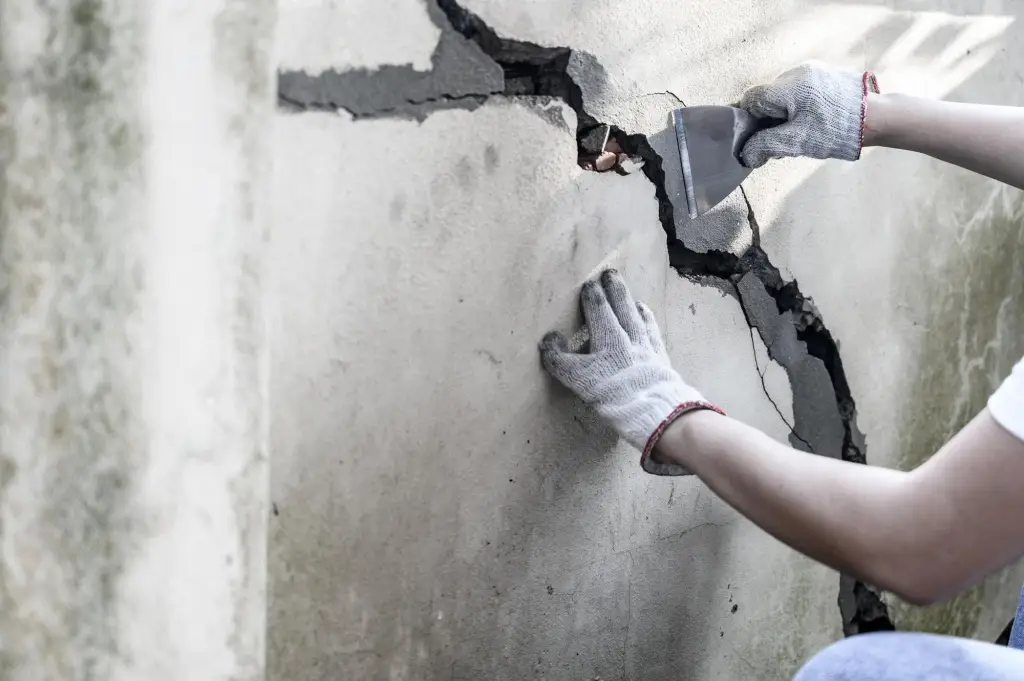
- The “Cracking” Factor: In Georgia, our clay soil expands when wet and shrinks when dry. Concrete is rigid. When the ground moves beneath it, concrete snaps.
- Repair Nightmares: Once concrete cracks, you can’t truly fix it. You can patch it (which looks ugly) or jackhammer it out and start over.
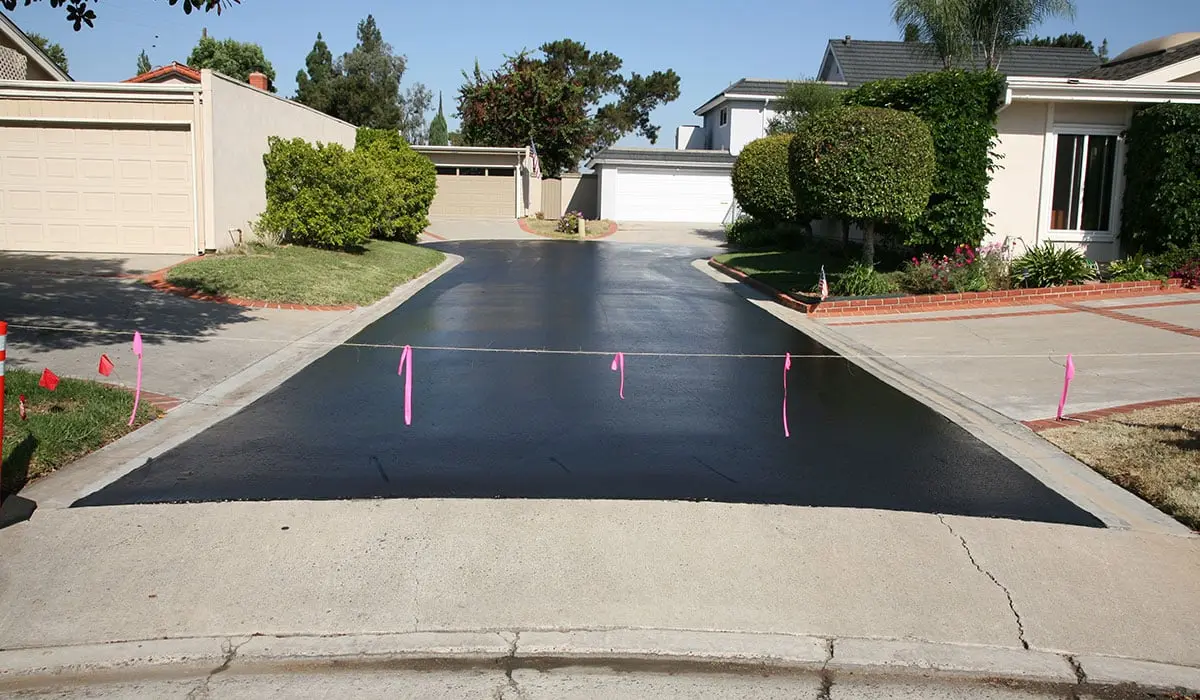
Option B: Asphalt (Blacktop)
A popular middle-ground option.
- The Pros: Provides a smooth ride, is quieter than gravel, and its dark color melts snow quickly in winter.
- The Cons:
- High Maintenance: You must seal-coat asphalt every 3-5 years, or it will crumble.
- Heat Sensitivity: Georgia summers get hot. Asphalt absorbs heat and can soften, leading to scarring if heavy machinery or kickstands are placed on it.
- Lifespan: If you skip maintenance, water gets into the cracks, freezes, and creates potholes rapidly.
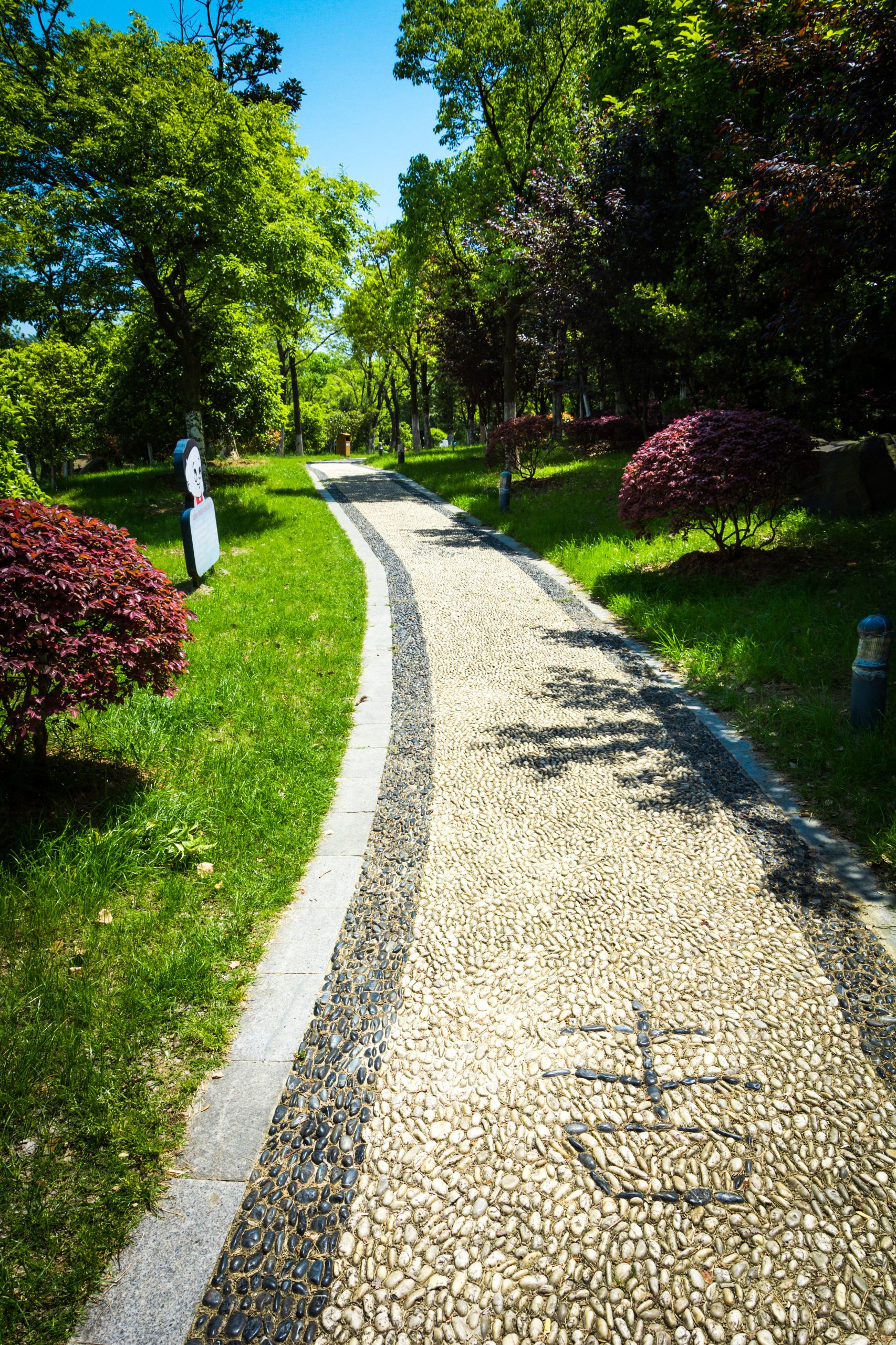
Option C: Gravel & Crushed Stone (The DRR Recommendation)
The preferred choice for rural roads, long driveways, and steep terrain.
- The Pros:
- Cost-Effective: The most affordable option ($) by a significant margin.
- Superior Drainage: Water flows through the stone rather than pooling on top or rushing off the sides to erode your yard.
- Easy to “Spruce Up”: If a pothole forms, you don’t need a jackhammer. A professional Power Raking service mixes the gravel back up, smoothing it out to look brand new.
- The Cons: It can get dusty in dry spells, and stone can migrate if not properly crowned. However, these are easily managed with routine grading.
The Hidden Costs: Installation vs. Repair
Competitors often list only the installation price, but the real cost of a driveway is what you pay over 10 years.
| Feature | Gravel / Crushed Stone | Asphalt | Concrete |
| Initial Cost | $ (Low) | $$(Medium) | $$$ (High) |
| Repair Method | Power Raking / Grading | Hot Patch / Sealing | Demolition / Re-pouring |
| Repair Cost | Low | Medium | Very High |
| DIY Friendly? | Yes (Minor fixes) | No | No |
The Bottom Line: You can have your gravel driveway professionally regraded and spruced up 10 times for the price of installing a concrete driveway once.
Why Gravel Wins in Georgia (The Technical Truth)
Why do we recommend Stone and Gravel (specifically Crush N Run and #57 Stone) so heavily? It comes down to science and geography
- Flexibility vs. Rigidity
As mentioned earlier, Georgia red clay is constantly moving.
- Concrete fights the ground. When the clay shifts, concrete loses the battle and breaks.
- Gravel moves with the ground. If the earth settles, the gravel settles with it. Fixing it is as simple as adding a little more material and grading it flat.
- The Drainage Advantage
Water is the #1 enemy of any road.
- On a paved surface, rainwater becomes a high-speed river that rushes to the edges, often washing out the soil under the driveway edges.
- Stone allows water to permeate. When combined with our French Drain Installations or Dry Creek Beds, we can manage heavy storms without your road washing away.
- Traction on Slopes
If you have a steep, winding country driveway, Crush N Run acts as a base that locks together, providing excellent traction. Smooth asphalt can become slippery in icy conditions or when covered in wet leaves.
Conclusion:
If you live in a perfectly flat subdivision, concrete might be fine. But if you are maintaining a country road, a long driveway, or fighting against hills and runoff, Stone is the clear winner.
At Dirt Road Repairs, we don’t just dump rocks and leave. We diagnose the underlying issues—like poor drainage or soft sub-soil—and fix them. We use materials like Crush N Run to build a solid base and #57 Stone for a clean finish, ensuring your road holds its integrity for years.
Does your driveway look like a washed-out creek bed?
Don’t pour expensive concrete over a drainage problem. Fix it the right way.
Contact Dirt Road Repairs today at 770-771-3977 or fill out our contact form to schedule your free estimate. Let us spruce up your country road!