Why Regular Road Maintenance Matters
Rural property owners face ongoing challenges keeping unpaved roads in usable condition. Without proper attention, dirt and gravel roads deteriorate rapidly, leading to costly repairs and access problems. A structured maintenance approach prevents minor issues from becoming major headaches.
Weather, traffic, and time work together to damage unpaved surfaces. Rain creates ruts and washouts. Vehicles push material to the sides. Vegetation encroaches from the edges. These problems compound quickly without intervention.
Seasonal Inspection Schedule
Spring brings the first major test for rural roads. Winter freeze-thaw cycles create potholes and surface cracks. Walk or drive your road slowly, noting problem areas. Document washouts, drainage failures, and soft spots that developed during cold months.
Summer inspections focus on dust control and surface hardness. Hot, dry conditions turn roads into dust producers and create hard, corrugated surfaces. Check for adequate crowns to shed water. Look for areas where material has migrated to road edges.
Fall preparation protects roads before winter arrives. Clear ditches and culverts of leaves and debris. Address any erosion before ground freezes. Ensure proper drainage paths exist for spring snowmelt.
Winter checks happen after major storms. Clear snow and ice as needed. Watch for ice dams that redirect meltwater onto road surfaces. Mark soft spots that appear during thaws.
Drainage System Components
Ditches & Swales
Ditches channel water away from road surfaces. Keep them clear of vegetation, sediment, and debris. Proper ditch depth maintains at least 12 inches below road surface. Sides should slope gently enough to prevent erosion while remaining steep enough to move water efficiently.
Check ditch outlets regularly. Water must have somewhere to go. If ditches empty onto adjacent property, coordinate with neighbors to maintain continuous flow paths.
Culverts & Cross Drains
These structures move water under roads and driveways. Inspect culvert entrances and exits monthly during wet seasons. Remove blockages immediately. Even small obstructions reduce capacity and can cause washouts during heavy rainfall.
Culvert size matters. Undersized pipes back up water, creating road damage. If you experience repeated washouts near culverts, the diameter may be inadequate for water volume.
Crown & Grade
Road crown refers to the slight peak at the center that sheds water to both sides. Maintain a 3-4% crown on straight sections. This grade moves water off the surface before it can soak in and weaken the base.
Proper longitudinal grade prevents water from pooling. Roads should slope at least 2% to keep water moving. Flat sections become problem areas that require extra attention.
Surface Material Management
Gravel Application
Fresh gravel restores worn surfaces. Apply 3-4 inches of new material when existing surface drops below adequate depth. Spread evenly and grade smooth. Time applications for dry conditions when equipment can work efficiently.
Gravel type affects performance. Angular crushed stone locks together better than rounded river rock. Mix large and small particles for better compaction. Avoid materials with too much sand or clay.
Blading & Grading
Regular grading maintains proper crown and surface smoothness. Blade frequency depends on traffic volume and weather. High-use roads may need monthly attention. Low-traffic farm roads might require grading quarterly.
Set blade angle to pull material from ditches back to road center. Multiple light passes work better than one aggressive pass. Avoid grading when roads are too wet or too dry.
Dust Control
Dust creates visibility hazards and indicates surface material loss. Water trucks provide temporary relief but require repeated applications. Calcium chloride or magnesium chloride treatments last longer, binding fine particles together.
Apply dust suppressants in spring after grading. Reapply as needed through summer. These products work by absorbing moisture from air, keeping surfaces slightly damp.
Vegetation Control
Plants growing on road surfaces trap moisture and break down base material. Remove all vegetation from the traveled way and shoulders. Keep ditches clear but maintain some vegetation on slopes to prevent erosion.
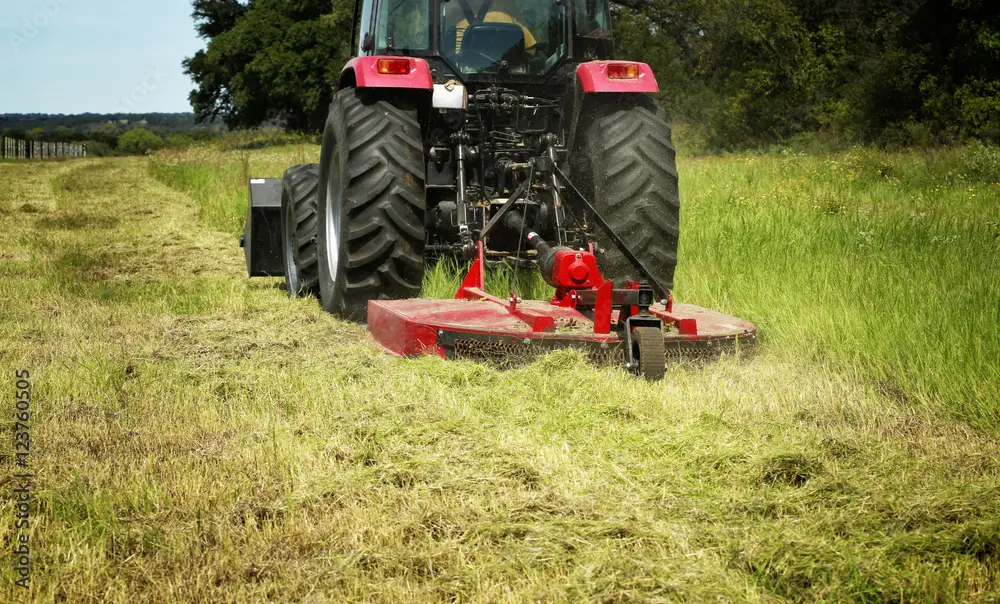
Mow road edges regularly during the growing season. Cut woody plants before they establish deep roots. Address problem areas where water collects and promotes plant growth.
Tree branches should clear the road surface by at least 14 feet. Trim back encroaching limbs that drop leaves into ditches or block sunlight needed for road drying.
Erosion Prevention
Surface Water Management
Direct water off roads as quickly as possible. Install water bars or rolling dips on sloped sections to intercept runoff before it gains erosive velocity. Space these features based on road grade and soil type.
Avoid creating long sections where water runs down the road surface. Each 200-300 feet should have a drainage outlet that moves water to stable discharge areas.
Edge Protection
Road edges erode when material washes away. Install edge berms on sections where water tends to run off unevenly. These small ridges keep gravel from migrating while still allowing controlled water discharge.
Consider installing turnouts where steep sections meet flat areas. These level areas slow water velocity and let sediment settle before continuing downstream.
Equipment & Tools
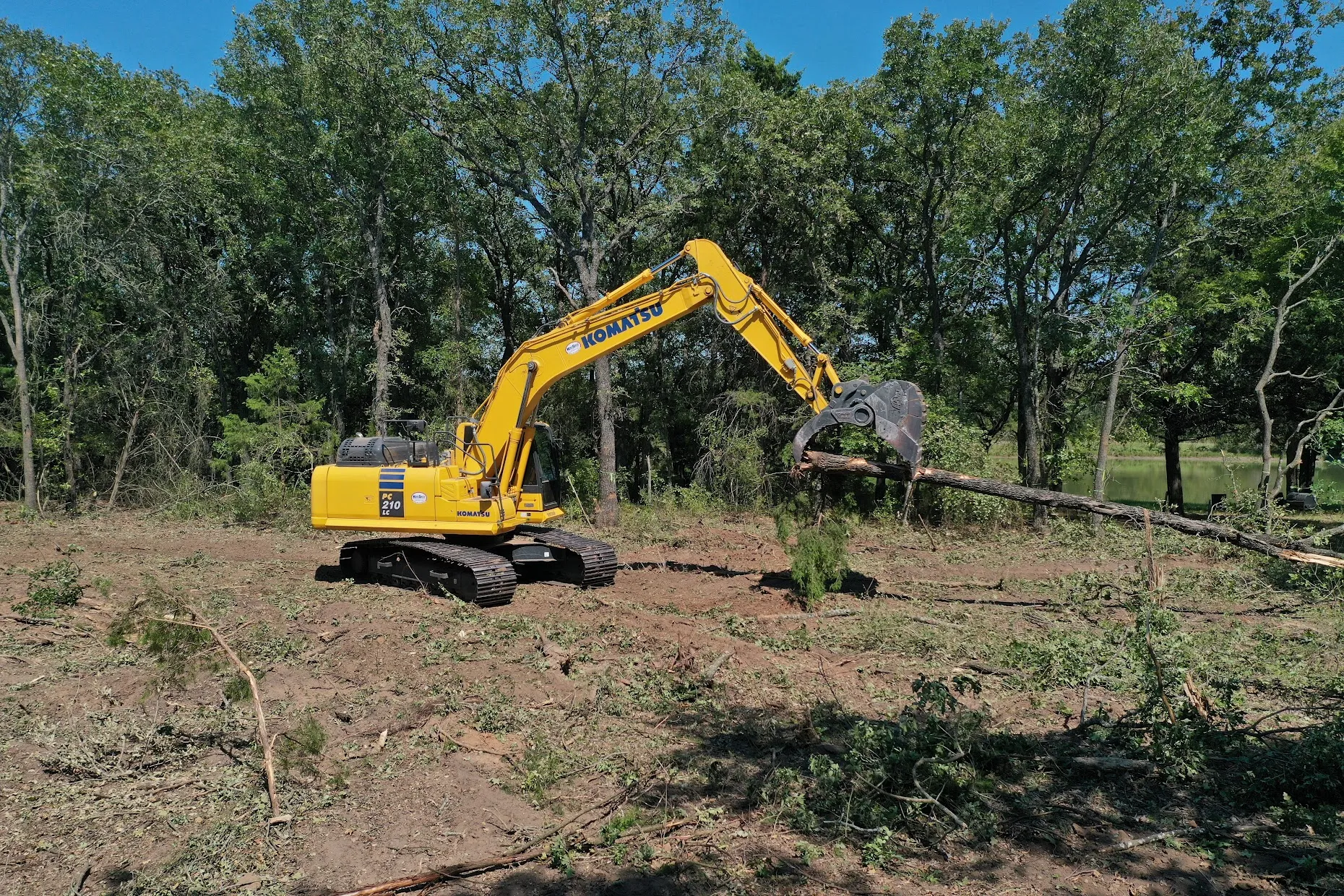
Basic maintenance requires specific equipment. Graders or tractor-mounted blades handle surface work. Excavators address drainage issues and culvert work. Dump trucks haul material. Rollers or packers compact fresh gravel.
Many rural property owners contract this work. Establish relationships with local contractors who understand unpaved road maintenance. Regular service agreements cost less than emergency repairs.
Record Keeping
Document maintenance activities with dates, locations, and materials used. Photos help track problem areas over time. These records guide future work and help identify patterns.
Note weather conditions when problems occur. Knowing which storms cause damage helps predict future needs. Track material quantities to budget for coming years.
Budget Planning
Set aside funds based on road length and condition. Expect to spend $2,000-$5,000 per mile annually for basic maintenance. Major repairs or reconstruction cost significantly more. Building a maintenance reserve prevents financial surprises.
Regular small investments prevent large emergency expenditures. A proactive maintenance schedule extends road life and reduces total cost over time.